One More Time…Why Our Programme Encourages the Re-Reading of Books
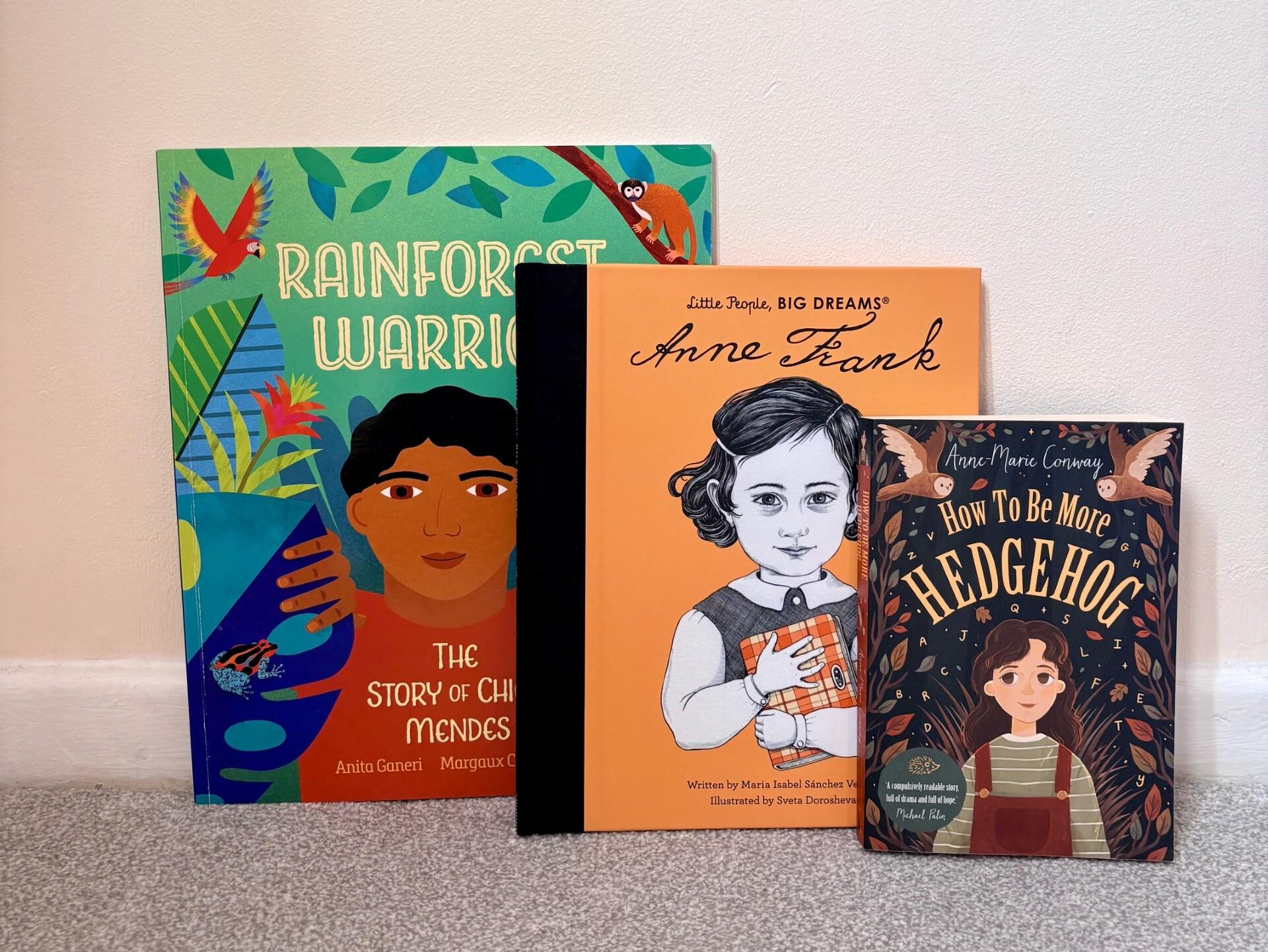
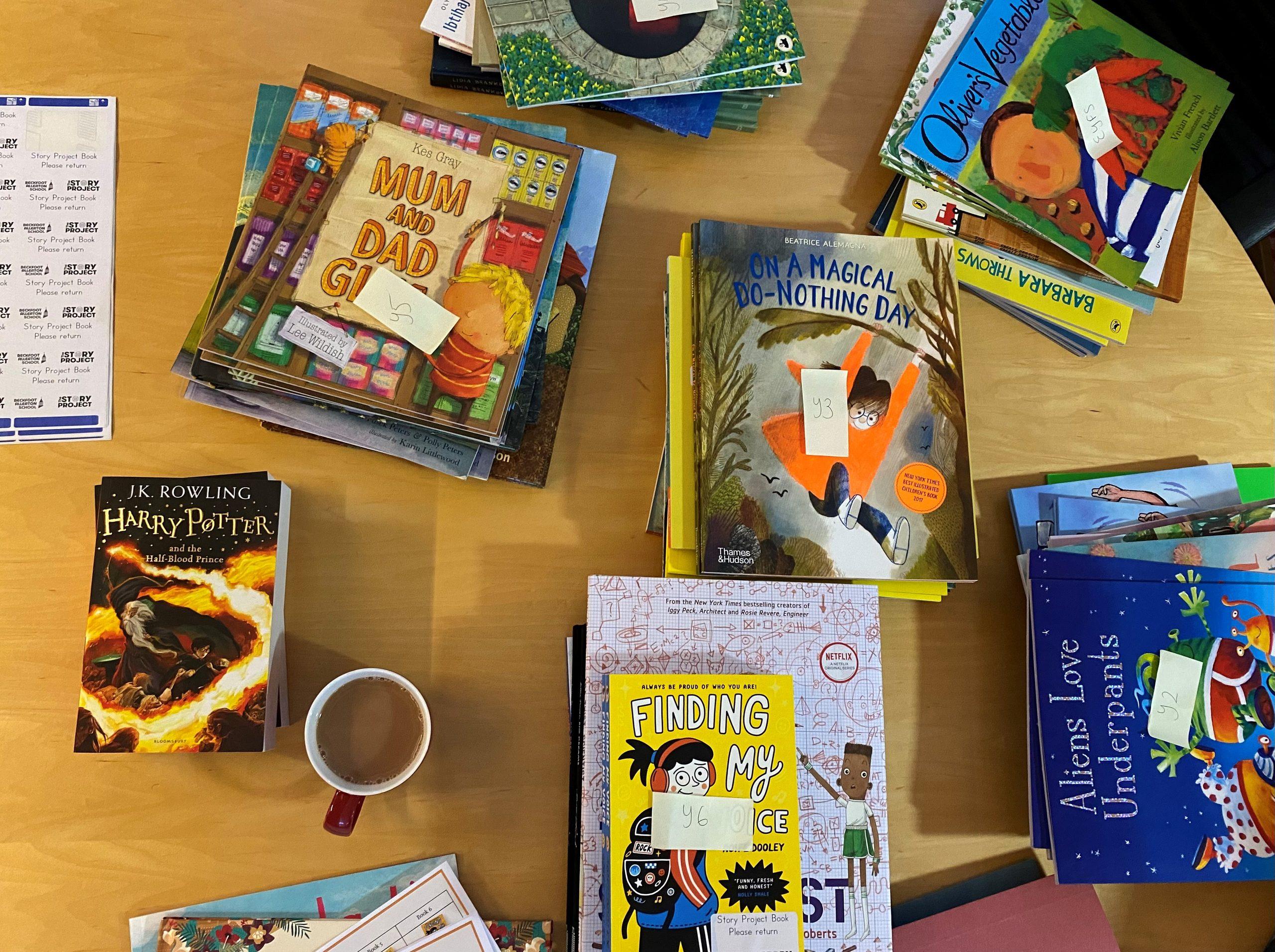
Every one of the units in our core primary curriculum focuses on a single book. With units lasting 6 weeks each, that means there is plenty of opportunity to really dig deep into a text. By the end of Year 6, children will have explored 42 incredible and diverse children’s stories from a wellbeing perspective.
However, we are often asked by schools why we don’t use multiple books per unit. Maybe a page from one book, an extract from another. They ask, ‘why does the book repeat every week?’.
There is a plethora of research behind our intentional decision to focus on one key book in each unit. So, let’s explore why we do it…
Exploring a story from every viewpoint
When you read a book once, it can be difficult to get to grips with the hidden meanings and nuances of the story and illustrations. This is especially true for young children, who cannot always make those inferences and connections alone. The more children engage with a story, the more they understand it.
Crucially, this provides a unique opportunity for children to see a character from multiple viewpoints. Over 6 weeks, they can analyze their own thoughts on the story, and then dive into what their peers think, or what might have happened if the character had done something differently. It allows classes to explore not just the surface level of wellbeing and PSHE, but to see the book holistically and to make those vital connections between topics. This links far better with real life, allowing children to see characters’ flaws, mistakes, opinions, feelings and more.
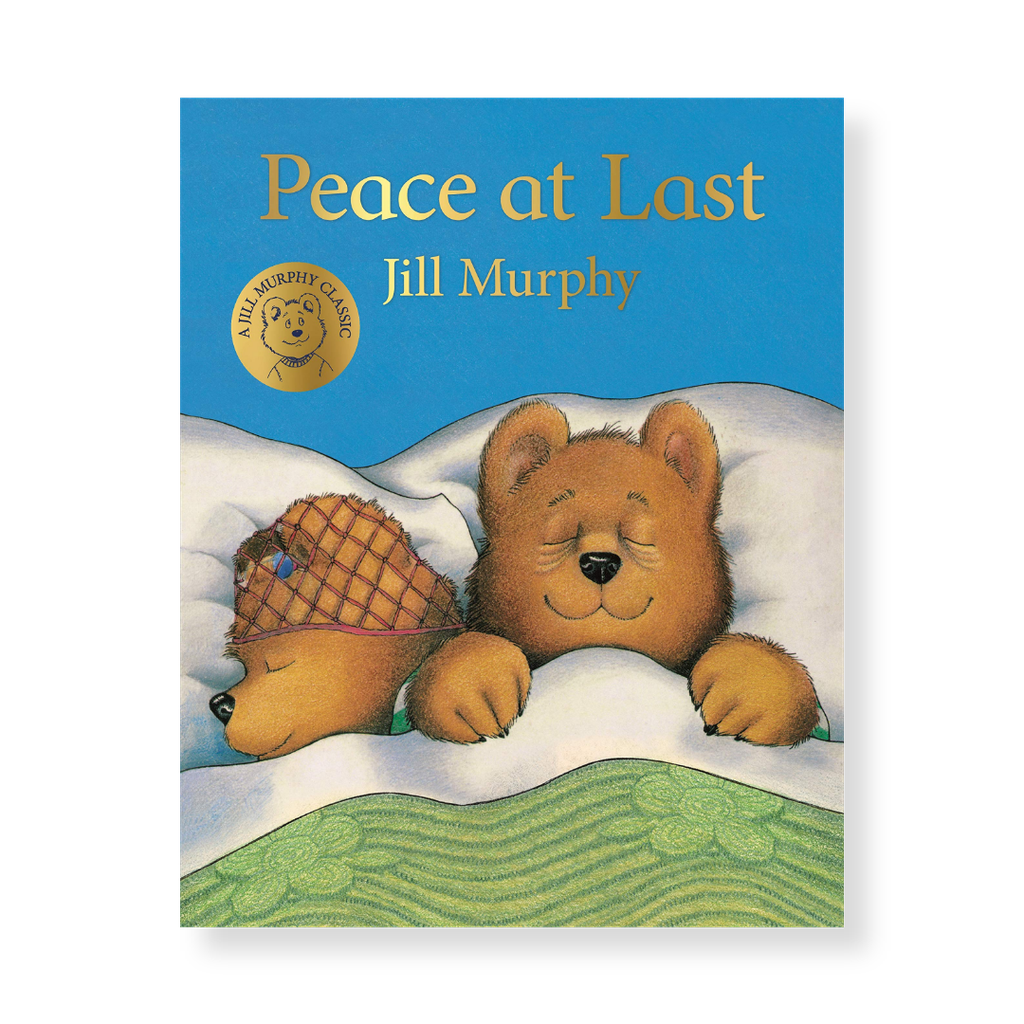
Take one of our Year 1 books ‘Peace at Last’ by Jill Murphy (which you can try out for free here), as an example. Our unit on Peace at Last allows children to explore:
- The importance of sleep
- Strategies to manage feeling tired
- Strategies for managing feeling fidgety
- Routines and family life
- Permission seeking and saying no
The learning builds throughout the unit, so that children come away from the 6 lessons with a deep understanding of what the family’s life is like, what happened to the Dad, why it happened, what he could have done about it and most importantly….how this all links to children’s own lives. A single lesson on ‘why sleep is important’ is great, but over 6 weeks of work it turns the learning from a tick-box to a deep understanding of family, consent, health and emotional regulation.
Understanding of the text and literacy skills
Not only does rereading the book support wellbeing learning, but it also helps young children with meaning and inference, leading to more nuanced answers. Children notice details they may have missed during the first read. It also supports the development of skills such as predicting and analysis, giving children the confidence to make links.
For our youngest children in school, repeat reading of a text helps them to understand reading behaviours without the cognitive load of a new story. A great way to support foundational comprehension skills and strengthen memory, sequencing and language processing.
Every reread gives children the chance to hear and understand new language, and having multiple exposures helps to develop a better understanding of new concepts. It helps them build confidence so they can understand and use more varied vocabulary. It also often encourages children to join in with their favourite parts and helps them be more skillful in their retelling of the story.
Do classes have to read the book every single lesson?
This is one of the questions we get asked the most! And the answer is up to each individual teacher. The research would suggest re-reading the story is a beneficial activity, and it is something we would always encourage. However, we also know that each class is different and some – especially in KS2 – won’t need to re-read the text every week to draw conclusions and understand the learning.
For EYFS and KS1 it is likely classes will need to re-read the book at least for the first couple of weeks. After this, many schools choose to dip in and out of key pages.