7 Powerful Books to Read During Children’s Mental Health Week that Support a Sense of Belonging

Children’s Mental Health Week, 9th to 15th February 2026
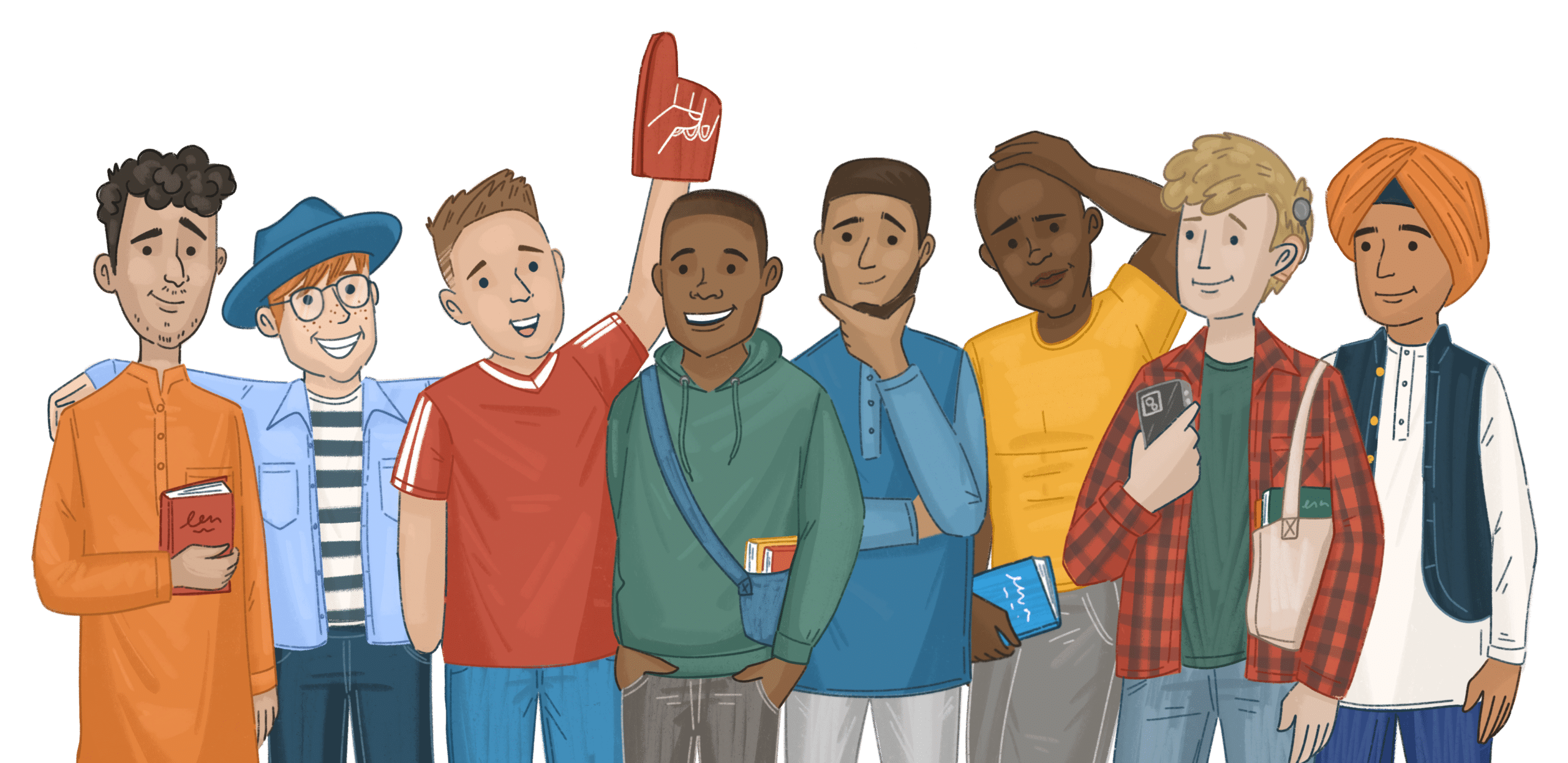
This year is all about ‘This is My Place’; a theme created to help children feel like they belong. It is the perfect theme to explore with books, as stories can create a wonderful sense of inclusion. This is especially true when we use books that promote a sense of empathy and respect, and provide the opportunity for all children to see themselves in books.
The importance of shaping a sense of belonging in primary classrooms
When we think of books and belonging, we think of them in two really important ways.
First we think of classes as a whole, how they work together and create an identity as one unit – how they come together when reading a story aloud, in that same shared experience. For this, we look for stories that ignite joy, that foster a sense of real empathy or spark a discussion that gets to the heart of their understanding. We look for books that reflect common childhood experiences and feelings; loneliness, friendship, respect, confidence, bravery.

These shared moments create a tangible sense of belonging, a sense of community, a feeling of togetherness. United in the story.
However, we also think of belonging in a more individual sense and this is perhaps where books become even more important. They can create environments where every single child in the class truly believes ‘this is my place’. We think of the little boy who looks different from everyone else in his class, the girl who has just arrived from overseas and doesn’t speak any English, the kid who is beginning to question who they are and always feels like the odd one out, or the child who hasn’t had breakfast that morning and probably won’t have tea either.
When we talk about inclusion it is really those children we’re talking about. When we create these lists, we’re creating them thinking about how they might be feeling. Books have a magic ability to reflect children’s lives, and the feeling is so empowering especially if you’re a child who doesn’t always feel seen.

Creating a sense of belonging must also include these children. If we don’t, we run the risk of letting children slip through the net. Luckily, books provide the perfect vehicle to support every child.
If you read just one book for Children’s Mental Health Week this year, we urge you to think of that child in your class who really needs to see themselves and be celebrated. Choose a story for them and build the lesson around it, so they know they are valued, welcome and that they belong.
Brilliant books for Children’s Mental Health Week 2026
We’ve pulled together some of our favourite stories to read in your classroom this Children’s Mental Health Week. These books will spark a conversation, help children to understand the importance of respect and champion inclusion so that every child feels like they belong.
‘I Can Be All Three’ by Salima Alikhan

Age Range: KS1
Themes: Cultural heritage, mixed heritage, identity
Why We Love It: For children with mixed heritage who feel under-represented or unseen, this simple tale of a young girl who wants to make her art project a reflection of her whole self is perfect. Use it to spark discussion of children’s identity and sense of self.
‘Eyes that Kiss in the Corners’ by Joanna Ho

Age Range: KS1/KS2
Themes: Self-esteem, body positivity, identity
Why We Love It: Written by Joanna Ho (author of some of favourite children’s books – check them out!), this beautiful story will resonate with children that often feel different from others. It is a wonderful celebration of diversity and a great story to read as a class.
‘My Shadow is Pink’ by Scott Stuart

Age Range: KS1/KS2
Themes: Challenging stereotypes, celebrating individuality
Why We Love It: A wonderful celebratory story to help spark empathy and respect, that sensitively and authentically tackles important stereotypes. Not only is it a great story for creating a sense of belonging for all children, but it would also be a fantastic jumping off point for conversations about toxic masculinity.
‘And I Climbed And I Climbed’ by Stephen Lightbrown

Age Range: KS2
Themes: Disability, self-esteem
Why We Love It: A poignant collection of poems that explore one child’s shift from challenge to triumph when faced with the reality of being wheelchair bound.
‘Stardust’ by Jeanne Willis

Age Range: KS1
Themes: Siblings, ambitions, feeling overlooked
Why We Love It: Anyone who is a sibling will find common ground in this story (both children and adults!). Its beautiful portrayal of feeling over shadowed by others makes this story a modern classic in our eyes.
‘Under the Love Umbrella’ by Davina Bell

Age Range: KS1
Themes: Shared experience, community, belonging
Why We Love It: A perfect story for an assembly during Children’s Mental Health Week about how love and comfort can always be found, wherever we are. This book is a great example of a story that would create a sense of belonging for a whole class.
‘No Money Day’ by Kate Greenway

Age Range: Upper KS1/Lower KS2
Themes: Single parent families, low income, food poverty
Why We Love It: We’re a little bias about this one, as its a story we use in our curriculum! However, it is truly worth all the praise it receives. A powerful story that inspires real understanding of different family situations.
FAQs
When is Children’s Mental Health Week?
Children’s Mental Health Week is 9th to 15th February 2026
What is the theme of this year’s Children’s Mental Health Week?
The theme is ‘This is our place’, which has been chosen to support children’s sense of belonging. You can find out more here https://www.childrensmentalhealthweek.org.uk/
Why are books a great way to talk about children’s mental health?
Books are a brilliant way to help children have more open conversations about mental health issues. This is because the books create a distance between the child and the topic; they can learn vicariously through the eyes of the characters without the conversation feeling too raw or personal. You can read more about this in our blog 6 benefits of using stories to talk about wellbeing with children
Where can I find some free lesson plans to support children’s understanding of belonging?
You’re in luck! We’ve created some fantastic book-led classroom resources for primary school alongside Body Happy Org. You can find them here