Teacher Top Tips: Effective Ways to Get the Most Out of The Story Project
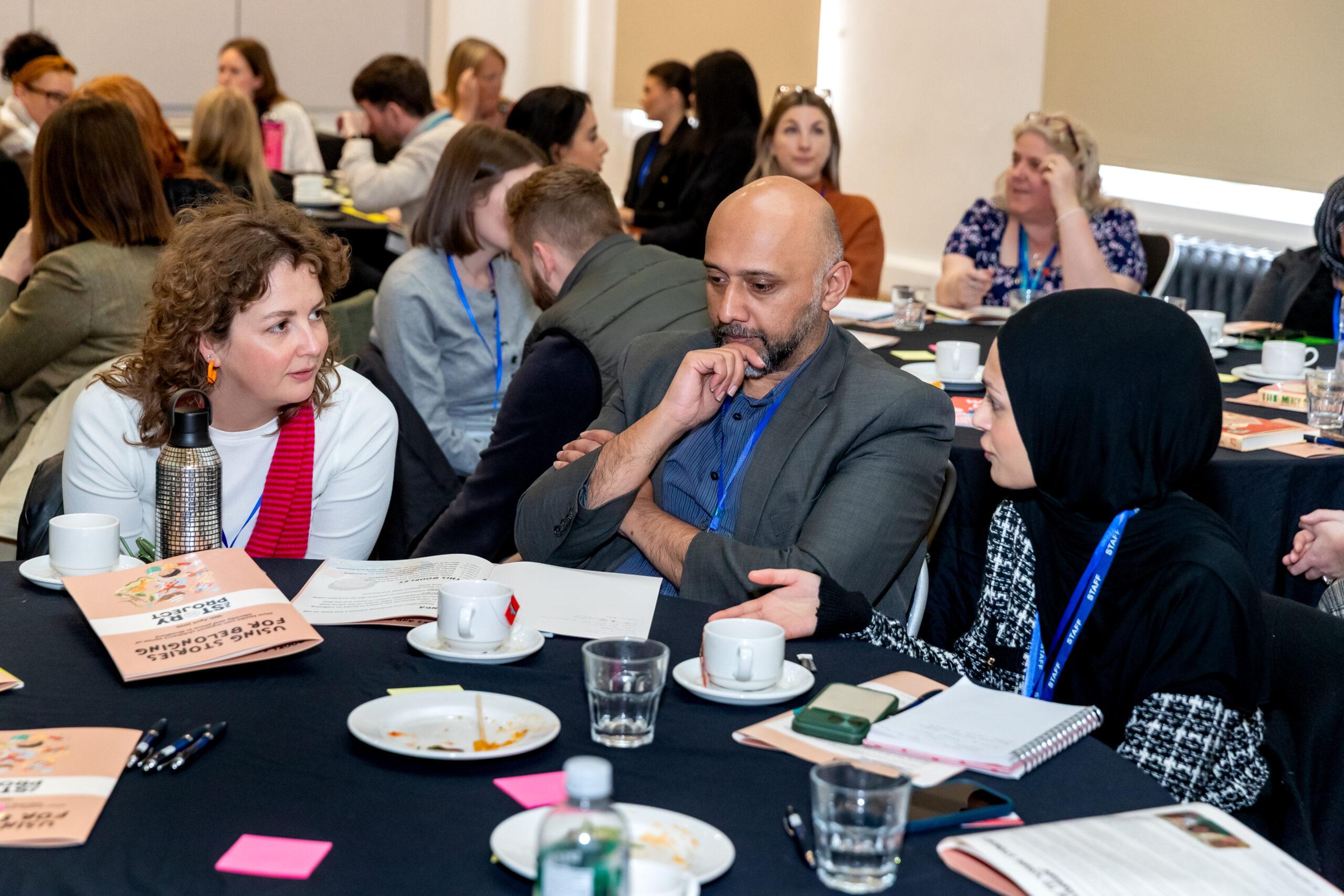
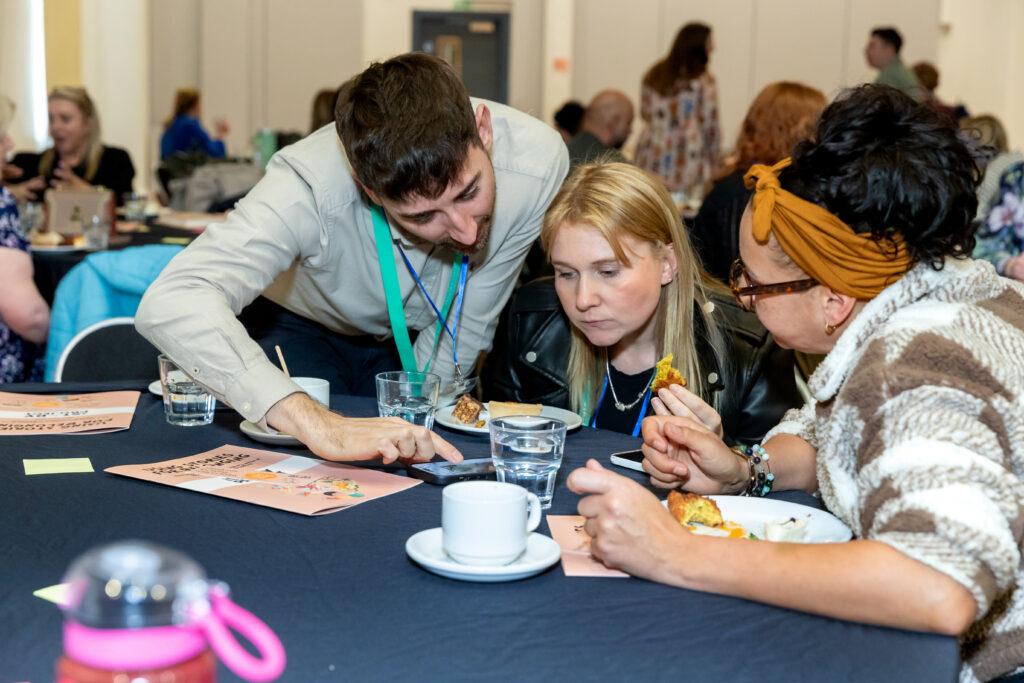
At our recent conference, teachers and leaders shared their top tips for getting the most out of The Story Project programme and PSHE lessons more widely. The resulting feedback was incredible; filled with insightful and easy-to-implement ideas that can strengthen your approach to PSHE topics.
You can read more about our conference by clicking on the button below, or read on to find out about teacher-approved ways to maximise your impact and create safe spaces for children to talk.
Common Challenges Teachers Face with PSHE and How They Solved Them
Our teachers talked about some of the challenges of implementing a new PSHE programme, particularly in busy schools with lots of competing priorities. Here are the three main challenges they faced and how they overcame them:
Challenge #1: Timetable Constraints
Teachers talked about how difficult it was to initial fit PSHE into the curriculum. This is a sentiment we have seen echoed in schools across the UK; there is so much content and so little time to cover it all. This is a concern that has been exacerbated by the new RSHE guidance which comes into force in September 2026.
Teachers using our programme found that focusing solely on The Story Project, rather than trying to combine multiple programmes made this much easier. As The Story Project covers all the statutory RSHE requirements and non-statutory PSHE content, it is a programme that works from Reception to Year 6. It comes with everything teachers need to teach the curriculum to its fullest without the need for additional work. Great news for time-strapped staff!
Challenge #2: Children Not Feeling Able to Talk About Sensitive PSHE Topics
This is a tricky challenge to overcome; the children you most need to speak, are so often the ones that remain closed books. However, with careful thought, empathy and time relationships can be forged to allow all children to participate confidently in PSHE lessons. Here are our teachers’ top tips:
- Ensure the class teacher teaches The Story Project each week, rather than a cover teacher. This means children already have an established relationship with the staff member with which to build on.
- Teach The Story Project in a regular slot in the timetable so it is consistent and familiar each week.
- Really get to know each child and think about how they might interpret each topic. Could certain topics be triggering for children who have experienced trauma? How will you support them through this?
- Establish co-created discussion rules/ground rules from the beginning to ensure respectful listening and talking. Model this language consistently so it is a clear expectation in your classroom.
- Understand the underlying reasons why some children don’t feel they belong in the lesson or discussion. Time, careful observation and regular communication supports this
More top tips can be found throughout this blog.
Challenge #3: Adapting the Activities to Meet the Needs of All Children
The Story Project champions teacher autonomy, and we were delighted to see this reflected in teachers’ top tips for getting the most out of the programme.
Lots of adaptations were suggested to ensure children could participate in the discussion. For example:
- Using group or paired discussions in favour of whole class discussions
- Using ideas such as ‘Think Pair Share’
- Breaking down tasks into smaller parts
- Using alternative ways of recording lessons, e.g. floor books, rather than relying on written outcomes
Keep reading for even more top tips!
Ways to Keep ALL Children Engaged and Create a Sense of Belonging
An important part of our conference was thinking about how we can ensure all children feel they ‘belong’ in a Story Project lesson. Here are our teachers’ experience-based advice:

- Praise effort rather than outcomes, with a no pressure environment so children are not worried about right or wrong answers.
- Involve families where appropriate to support vulnerable children in lessons that may be triggering.
- Consider putting children in pairs alongside a friend they feel comfortable sharing with. Allow smaller group discussions rather than whole class to support quieter children.
- Use Think Pair Share or other discussion devices.
- Gradually build up from paired discussion to group discussion to give children time to think and practise answers.
- For any children who feel particular unsure in a PSHE lesson, make time to listen to their concerns and reassure them that their contributions are valued.
- When planning, start with the most vulnerable children and consider what adaptions should be made for them. Work up from there to the rest of the class. You could break down tasks or provide visual supports, for example.
- Allow time for children to speak to an adult if they need to.
Supporting Diversity in the PSHE Curriculum
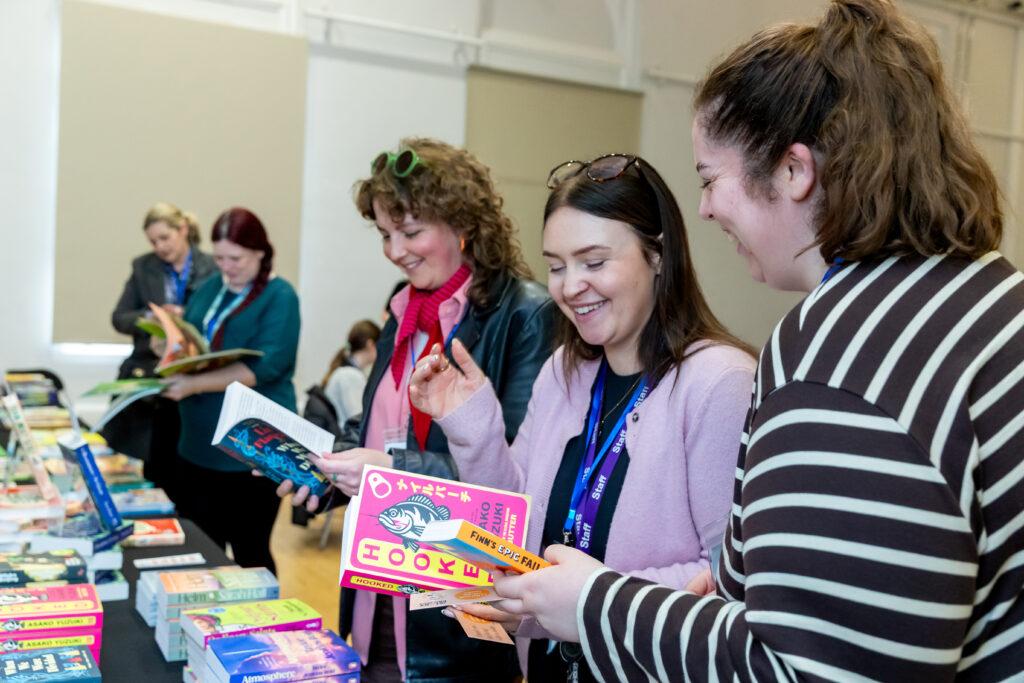
Some schools have experienced challenges with using diverse texts, especially those including LGBT characters due to parent concerns. We asked the teachers how they ensured parents were onboard with all Story Project texts, and this was their advice:
- Send out a curriculum overview at the beginning of the year
- Have an open and transparent policy with opportunity for parents to ask questions and see the books/resources
- Consider the impact of not using texts featuring LGBTQ families on those groups within the community
- Emphasize the need for respect, understanding and belonging
- Refer back to the guidance, particularly schools’ legal requirement to teach about the protected characteristics
Ways to Track Your PSHE Approach is Making a Difference
Lots of schools use floor books, pupil voice and other ways to assess whether children are making progress in The Story Project lessons. At the conference, teachers shared other valuable ways they have noticed the programme is making a difference…
- Shift in emotional literacy, with key markers including children speaking more freely about their feelings and using a range of regulation strategies
- Behaviour incidents and logs show a decrease in incidents linked to emotional frustration
- In literacy children are more able to articulate connections between stories and their own lives, showing genuine understanding of the story, themselves and others
- Pupil voice is showing specific reference to books and characters
- Increased enthusiasm for reading
- Increase in verbal contributions and ability to explain why other people might feel certain ways
- More in-depth, nuanced, thoughtful discussions compared to before starting The Story Project
Real Classroom Success Stories from Teachers
Implementing a new PSHE programme can have its challenges, but the rewards are immeasurable. PSHE has the power to help children understand themselves, the world around them and other people.
Not only does this help to keep them safe, but it also supports better wellbeing and mental health.
We have lots of fantastic data that shows our programme is having an impact (you can read more about that here) but what we really love to see is the human stories. Here are a few that were shared at the conference:
- After exploring the story ‘Grandad’s Camper’ in Year 2, a young boy felt confident to share photos of his same-sex parents’ recent wedding with his classmates. This was something he hadn’t felt able to do previously. He felt confident in his identity and had a new sense of belonging.
- Two boys who had previously not seen eye-to-eye, actively showed empathy towards each other when one got hurt during a football game. The teacher described how this was a direct impact of empathy discussions during The Story Project lessons.
- After reading and discussing ‘The Proudest Blue’ in Year 4, two young girls felt confident to wear a hijab for the first time in school. They were met with respect and understanding from their classmates. Their parents phoned school to thank staff for being so understanding.
Final Advice for Teachers Starting The Story Project
Finally, our teachers shared their advice for one high-impact thing schools could do to strengthen belonging in lessons.
- Use The Story Project emotional vocabulary grids to reinforce and scaffold the discussion of emotions, providing a laminated copy to every child.
- Use your autonomy and professional knowledge to make tweaks to lessons in order to suit your children’s needs.
- Start each lesson with a belonging-focused check in linked to the story, e.g. ‘which character do you most feel like today?’
Want to Know More About The Story Project?
Take a tour of our website to find out more about our book-led PSHE programme for primary schools