Teaching Summer Holiday Safety Through Books: Recommendations for Primary Schools

Fingers crossed we see a whole heap of sunny weather during the summer holidays. And with the 6 weeks of sunshine that we’re 100% definitely absolutely going to have (wishful thinking!), children will hopefully be outdoors as much as possible. They’ll be taking trips, playing out with friends, maybe going on holiday or visiting the seaside.
With that in mind, a great topic for the next few weeks is holiday safety. Use it as an opportunity to delve into some fantastic books and get children thinking about how to keep themselves safe in a variety of situations. These books could also be used to great affect in assemblies.
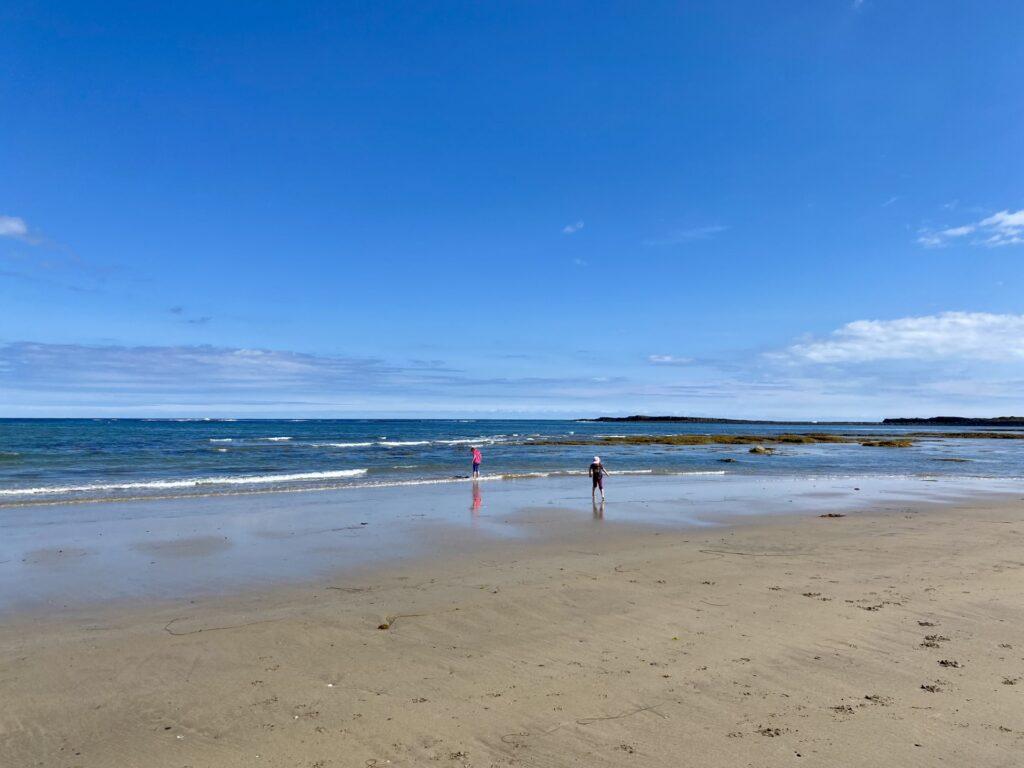
The number of deaths caused open water swimming so far this summer has reached almost 20. The need for safety skills has never been more urgent and books provide an engaging way to bring the topic to life without it feeling raw or scary.
Plus, changes to the RSHE curriculum in September 2026 mean that water, road, rail and sun safety are all part of wider statutory guidance on teaching children how to look after themselves.
Below, we’ve put together some of our favourite books to talk about these important topics. Some of them are not directly about staying safe, but that is the beauty of children’s stories – that you can explore different themes and meanings in the text and illustrations.
Exploring Sun Safety
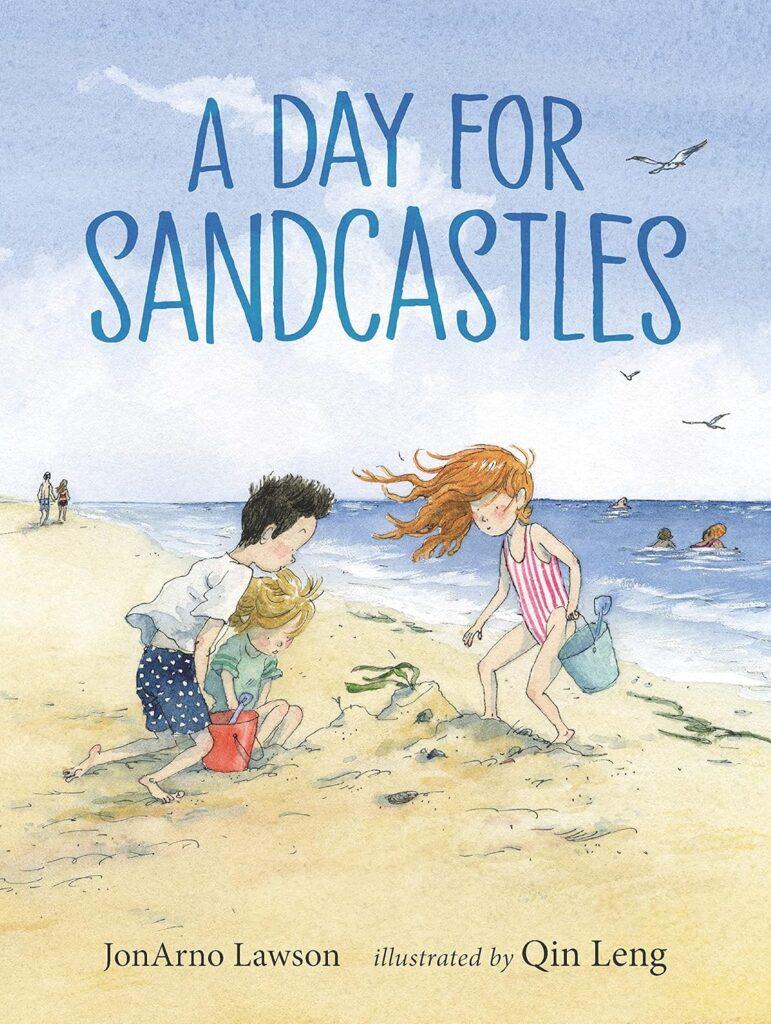
A Day for Sandcastles by JonArno Lawson
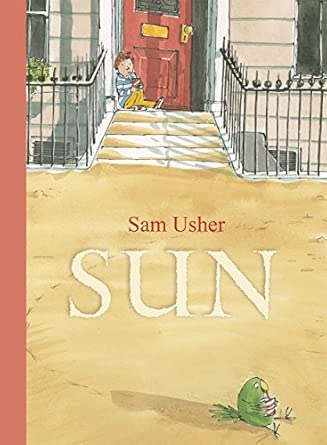
Sun by Sam Usher
Road Safety Using Books
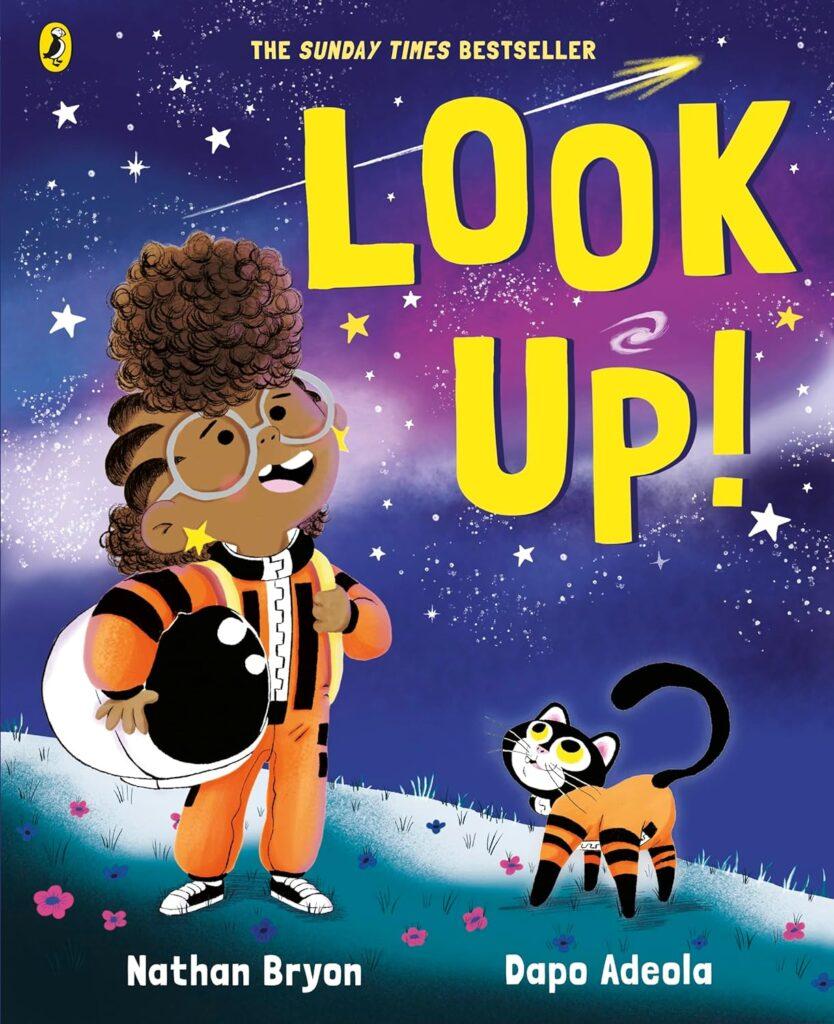
Look Up! by Nathan Bryan
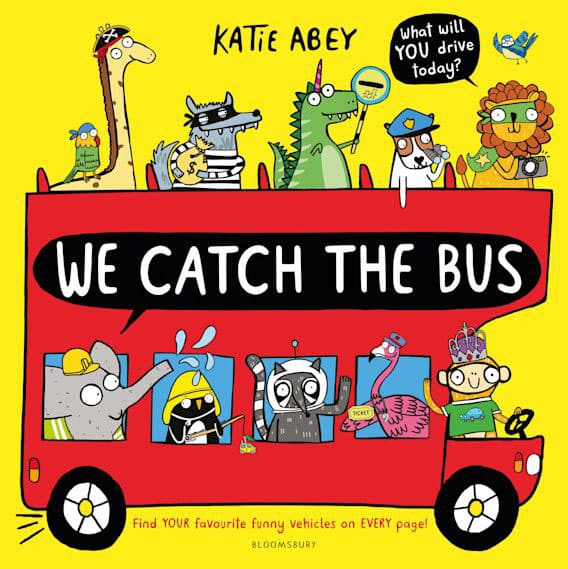
We Catch the Bus by Katie Abey
Discovering Water Safety
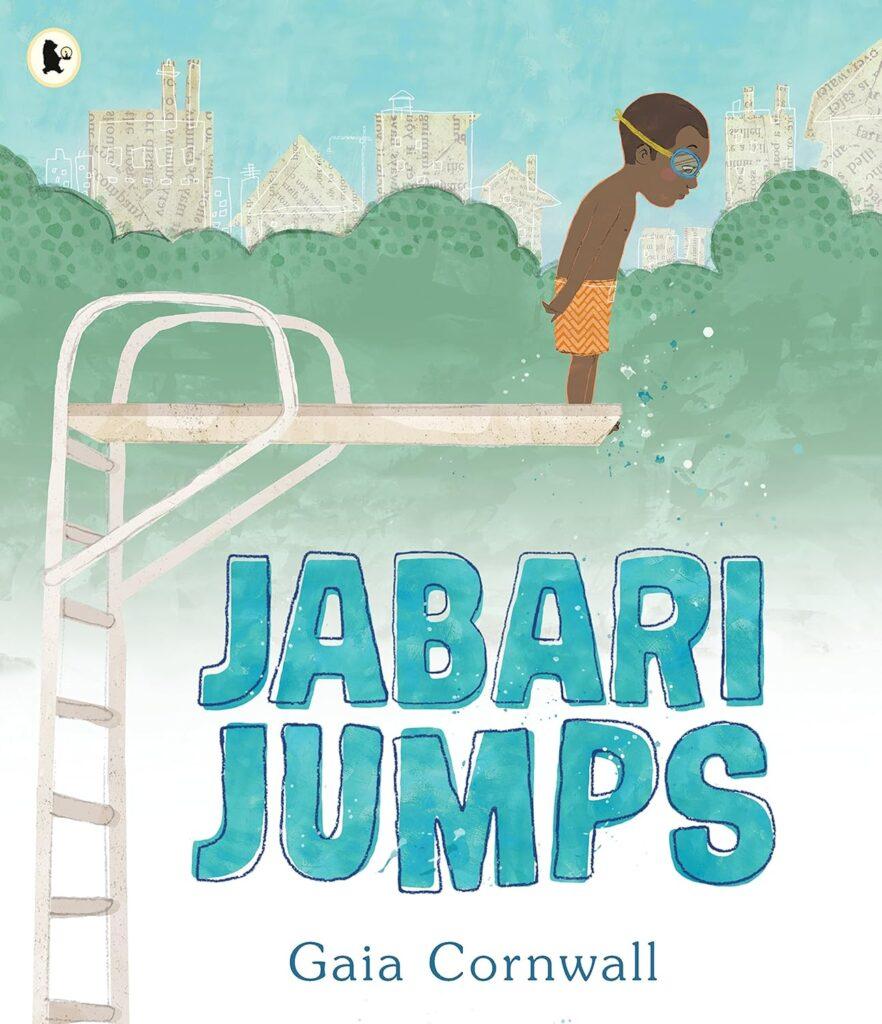
Jabari Jumps by Gaia Cornwall
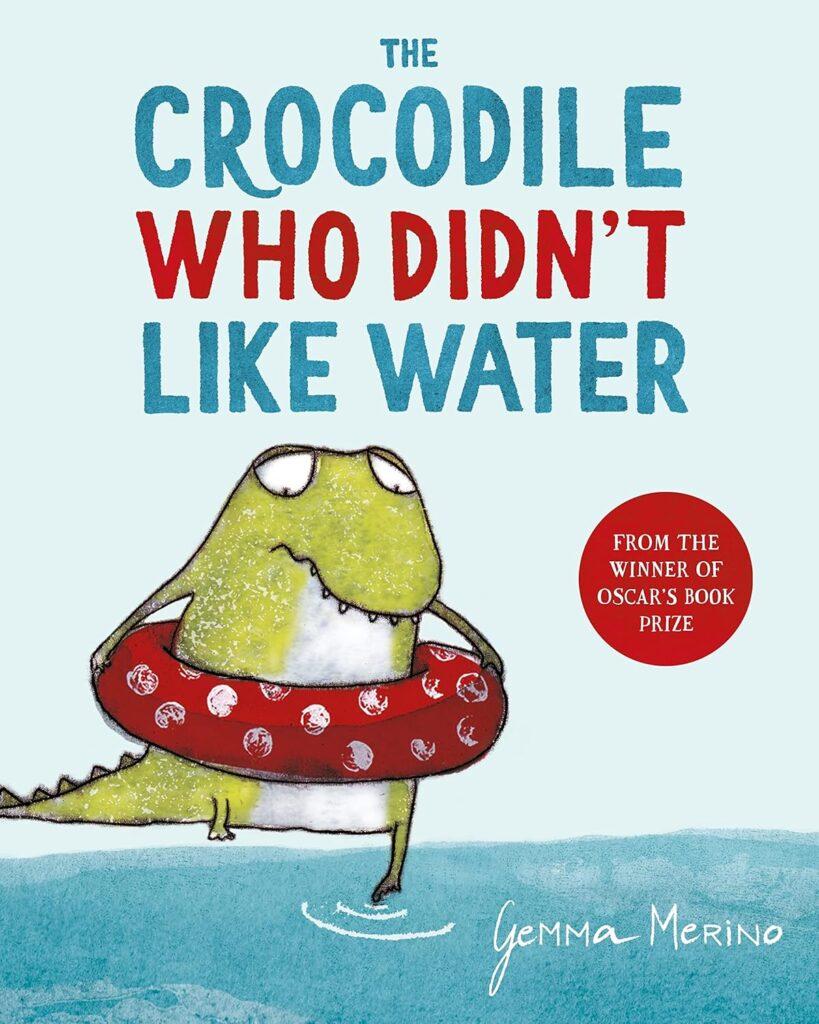
The Crocodile Who Didn’t Like Water by Gemma Merino
Rail Safety Using Stories
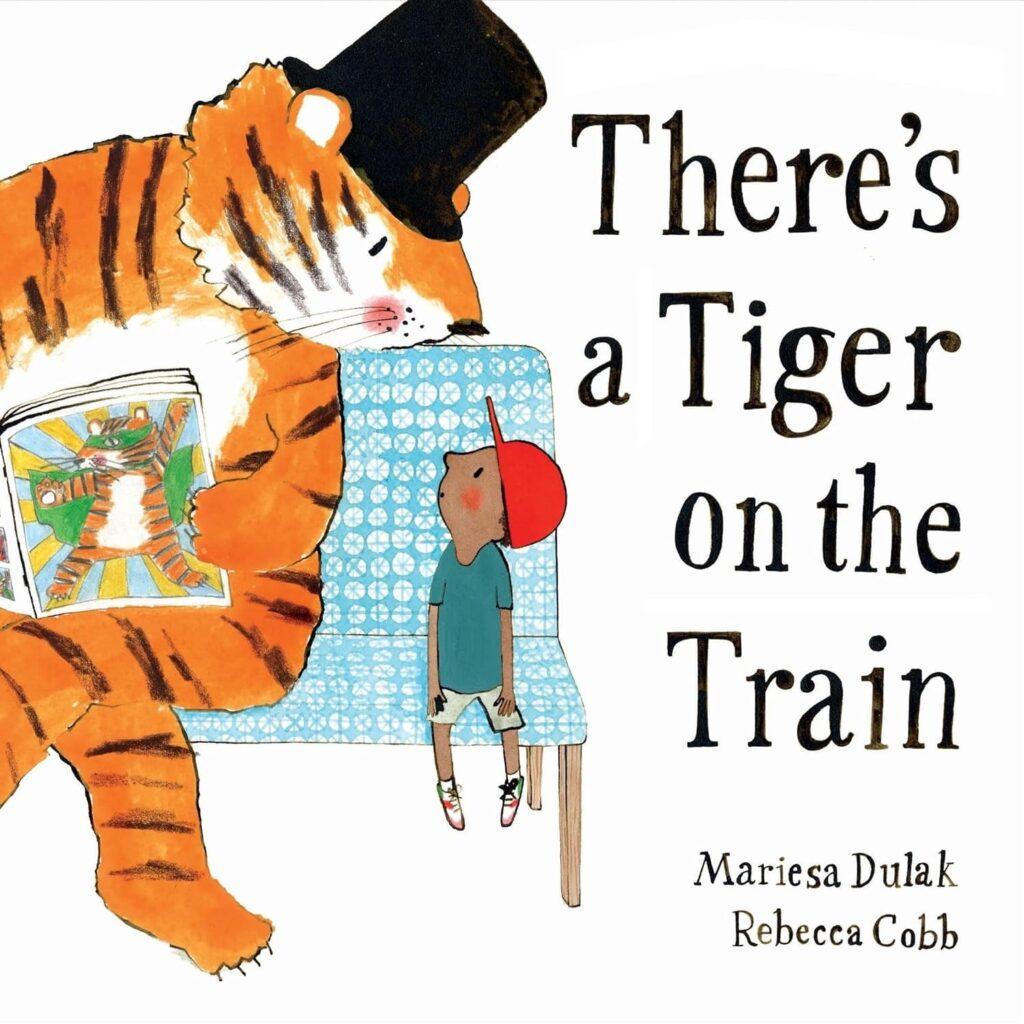
There’s a Tiger on the Train by Mariesa Dulak
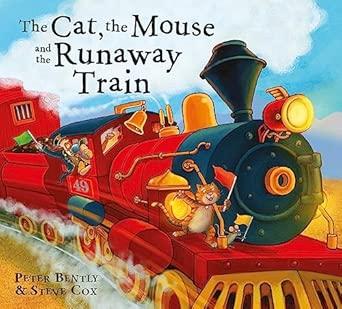
The Cat, The Mouse and The Runaway Train by Peter Bently
How to Use Picture Books to Support an Understanding of Safety
The summer holidays are a wonderful time for play and exploration. Let’s give our children the skills and knowledge to do it safely using picture books! Our research, conducted by our founder Dr Olivia Richards, shows that it isn’t enough to just read the books but that we also have to have high quality discussion that enables children to talk, discuss and question the characters’ actions.
For most children, simply reading a book about a train will not support them to be automatically safe around trains. As teachers, we have to scaffold this understanding. Here are a few questions and prompts to get you started…
Classroom Prompts and Questions to Get the Most Out of Stories
- How could the character make sure they are safe here?
- What should they do if they need help?
- What would you do if this happened to you?
- What items would you take in your rucksack to ensure you are safe and happy in this situation?
- What advice would you give the character on how to enjoy themselves while staying safe?
- Who could they have asked for help from?
- Let’s plan a day out for this character that is safe and fun!
- If this character gets hurt, what could they do?
- Do you know how to make a 999 call?
- Do you know the water safety code?
- Let’s practice safe road crossing in the playground
- Let’s role play going to a swimming pool
FAQs
What Does the Statutory RSHE Guidance Say About Personal Safety?
In July 2025, the Department for Education announced new changes to the RSHE curriculum that comes into force in September 2026. One of the new sections in the updated guidance is a section called ‘Personal Safety’. This section included two new objectives:
- About hazards (including fire risks) that may cause harm, injury or risk and ways to reduce risks
- How to recognise risk and keep safe around roads, railways, including level crossings, and water, including the water safety code.
Why Are Books a Good Way to Learn About Safety Topics?
The topic of safety can be difficult to understand. How can a child understand and contextualize how to stay safe at the beach if they have never visited a beach before? That’s where books come in – they provide context for situations that children might not be well versed in. They allow children to learn vicariously through the actions of the characters; acting like a rehearsal space before the big show.
Children can think more critically, questioning the actions of the character, before they head off to the real world. The more they can explore safely in the world of books, thinking deeply about the skills they need and discussing what to do, the more prepared they are for the world outside of books.
What is The Story Project?
The Story Project is a social enterprise that uses popular children’s books to teach the PSHE curriculum. Using our teacher-led, resource-backed approach we cover all the statutory requirements (September 2026) in a fun and engaging way through stories!