A Decade of Stories: Ten Years Since My Churchill Fellowship
Written by Dr Olivia Richards, CEO
Ten years ago, I boarded a plane with a notebook full of questions and a suitcase full of hope.
At the time, I was an English teacher and had a small idea called The Story Project. I believed that stories could do more than improve literacy, they could help young people understand themselves, build empathy, process emotions and develop the skills needed to thrive. What I didn’t know was whether that belief could be backed up by evidence, or how it could be scaled in a way that would genuinely make a difference.
The Churchill Fellowship gave me the opportunity to find out.
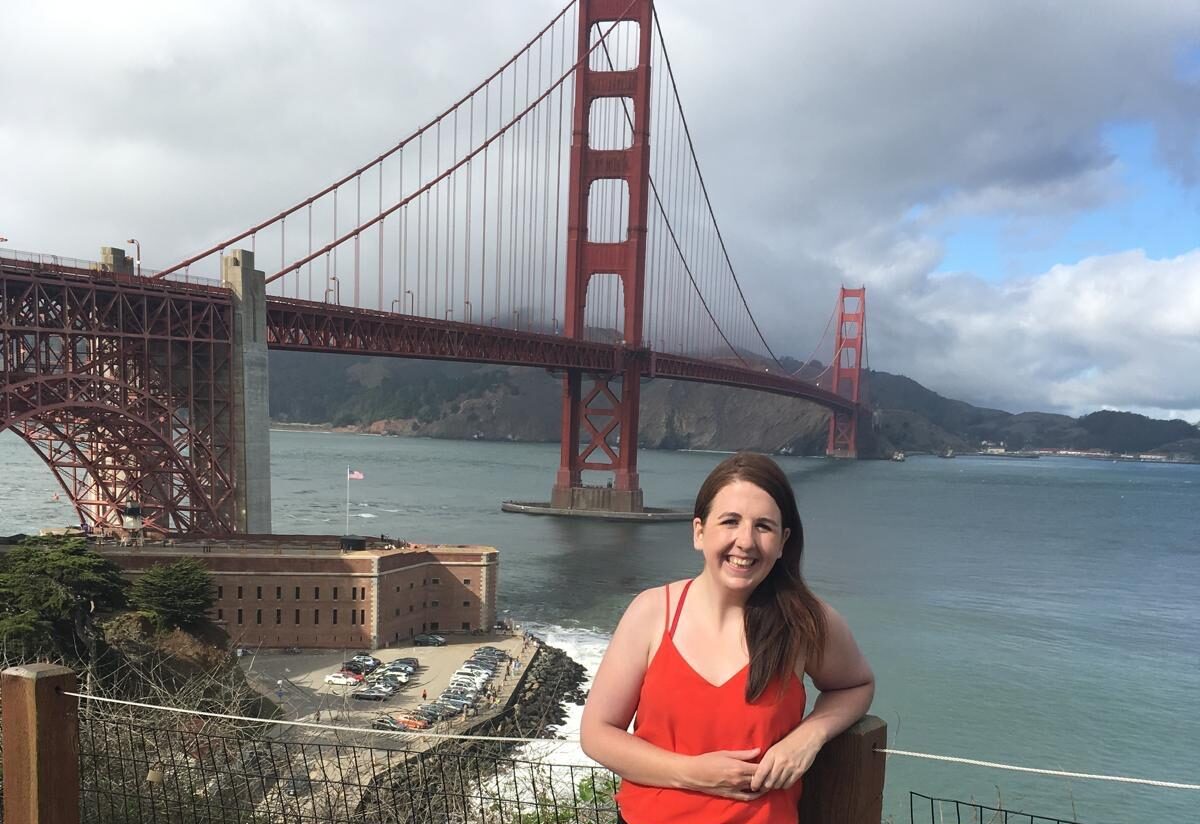
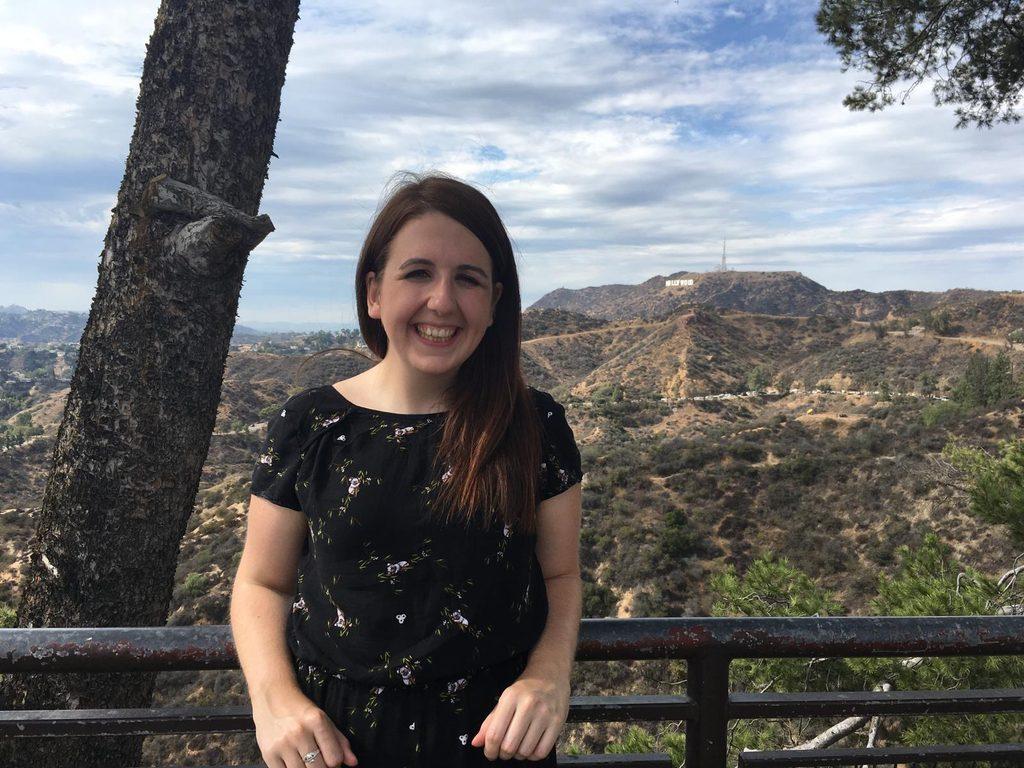
Supported by what was then the Winston Churchill Memorial Trust and the Mental Health Foundation, I travelled across the United States and Canada exploring how reading, writing and storytelling were being used to support young people’s social, emotional and academic development. During an intense eight-week journey, I visited twelve organisations and learned from educators, researchers, therapists, social entrepreneurs and young people themselves.
Looking back now, it is difficult to overstate the impact that experience has had on my life and career and on The Story Project and all the lives it has impacted on.
Discovering a Bigger Vision
When I applied for the fellowship, I wanted to understand how the most effective organisations were integrating stories into emotional learning and educational practice.
The fellowship introduced me to programmes such as the Morningside Center’s 4Rs curriculum, StoryCorpsU, Youth Communication, Pongo Teen Writing and many others. What united them was a belief that stories matter.
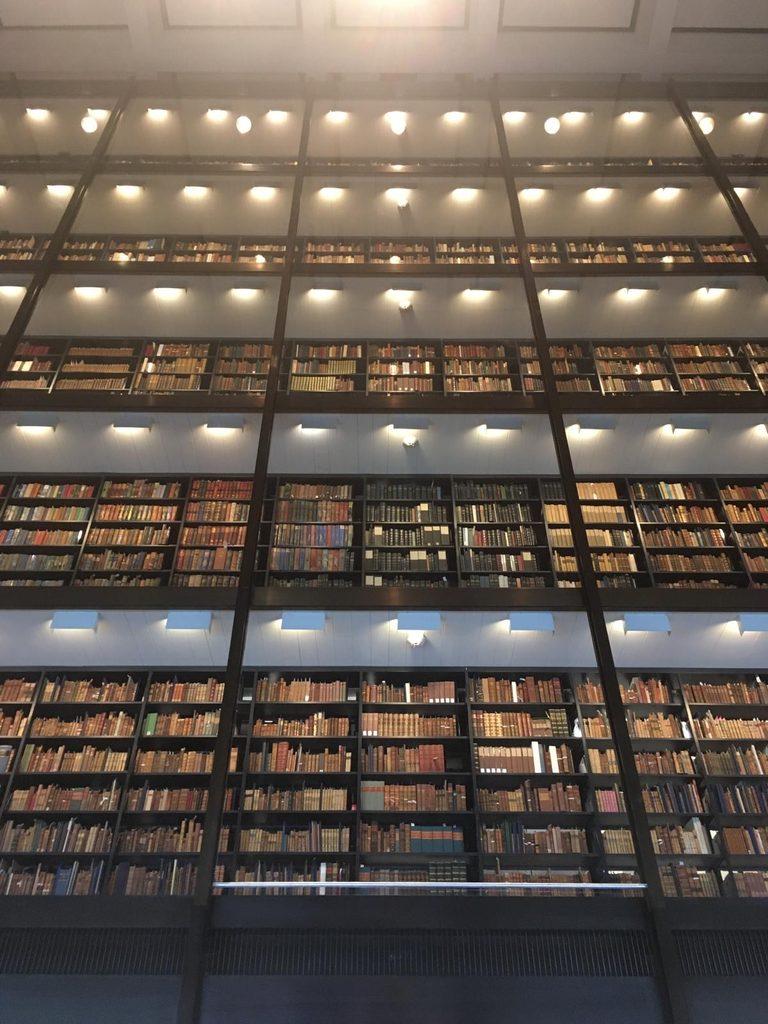
One of my earliest visits was to Yale’s Centre for Emotional Intelligence. There, I watched preschool children discussing a picture book and exploring how the characters might feel. Later, when a child became upset after another accidentally tipped over a basket of toy fruit, the teacher gently encouraged the children to use the same language they had practised through the story. Emotions were not treated as interruptions to learning, they were part of learning. In that moment, I saw how stories could provide children with a vocabulary for understanding themselves and others.
I learned that stories help young people recognise emotions, understand other perspectives and develop empathy. I discovered the importance of creating safe spaces for discussion, of carefully choosing diverse literature that acts as both “mirrors and windows”, and of giving young people opportunities to tell their own stories as well as hear the stories of others.
Most importantly, I discovered that social and emotional learning did not have to compete with academic achievement. The best programmes treated both as equally important and showed that strengthening one often strengthened the other. That insight became one of the central foundations of The Story Project
Turning Research into Practice
In the conclusion of my fellowship report, I wrote that my next job was to use what I had learned to improve The Story Project idea and to build a teacher training programme grounded in international best practice.
At the time, that felt ambitious.
Today, I can look back and see how directly the fellowship shaped the organisation we have become.
The emphasis we place on carefully selected stories, reflective discussion, empathy development and meaningful writing activities can all be traced back to lessons learned during my travels. The importance of teacher training was reinforced time and again by the organisations I visited, many of whom recognised that resources alone were not enough. Teachers needed confidence, knowledge and practical strategies to bring stories to life.
This remains a core part of our work today.
Many of the examples and case studies I encountered during the fellowship continue to appear in our professional development sessions. Whether we are discussing emotional literacy, creating inclusive classrooms or using stories to develop empathy, the learning from those visits still informs the conversations we have with educators. Ten years later, I still find myself referring to lessons learned in New York, Connecticut, Seattle or Toronto.
A Fellowship That Led to a PhD
The fellowship also sparked another unexpected journey.
After building The Story Project based on my Churchill findings and receiving a positive response from schools that started implementing the programme, I found myself asking deeper questions. Why were stories having such a powerful impact? How did teachers perceive their effectiveness? What role could stories play in supporting wellbeing alongside literacy development?
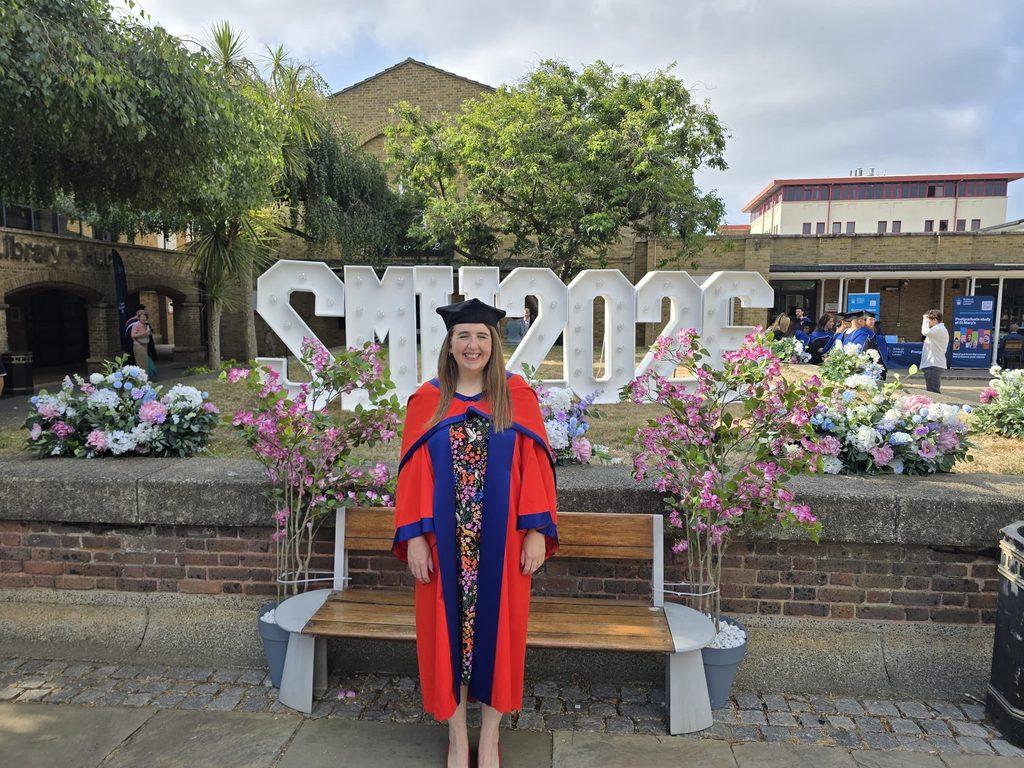
Those questions eventually led me back into formal research and, last year, culminated in the completion of my PhD at St Mary’s University. My doctoral research explored teachers’ perceptions of stories and investigated The Story Project as a pedagogical approach within primary PSHE education.
In many ways, the PhD was a continuation of the fellowship. The fellowship helped me identify promising international practice. The PhD allowed me to explore those ideas in greater depth, gather evidence and contribute new knowledge to the field.
Outward Ripples
One of the most important things the Churchill Fellowship taught me is that meaningful change happens through people. The organisations I visited were inspiring, but what stayed with me most were the relationships. People generously welcomed me into classrooms, shared their research, opened their homes and spoke candidly about their successes and challenges.

Their generosity helped shape The Story Project, but the impact has continued to ripple outward.
Over the past decade, we have worked with schools, teachers and thousands of children. We have developed award-winning resources, expanded our programmes and continued to champion the idea that stories are powerful vehicles for both literacy and wellbeing.
Every time a child sees themselves reflected in a story, develops empathy for someone different from themselves, or finds the words to express a feeling they could not previously articulate, I see echoes of the lessons I learned during the fellowship.
Looking Forward
Ten years on, I remain profoundly grateful to the Churchill Fellowship.
The experience gave me knowledge, confidence, networks and opportunities that transformed both my professional and personal life. It helped me move from having an idea to building an organisation. It helped me become a researcher and it helped me develop a deeper understanding of the role stories can play in children’s lives.
A decade later, the fellowship may be over, but its influence continues to be written into every chapter of The Story Project’s story.