Best Books for Preparing Children for a School Trip or Residential: A Primary Teacher Guide

Written by Fiona McCrudden
Trips and residentials are a wonderful part of school life. Once the risk assessment is written, budget confirmed and every spare staff member borrowed for ratios, it’s time to get excited! For children, it’s a time to deepen learning, explore somewhere new and shake up the daily routine.
As educators, we so often see children in a different light on trips and residentials. They come alive and show us skills that we might not have easily seen in the classroom – confidence, team building, resilience. Not to mention the level of chat on the coach; it is such a lovely class relationship builder!
However, we also know that trips can present challenges for some children. I used to work in an inner city school in Bradford and I remember taking children to an outdoor residential center about 40 minutes away from school. On the coach, one little boy shouted “look, a horse!” at what was most definitely a cow. He wasn’t the only one who, even by Year 4, had never been able to venture out of the city.
For any teachers who came to our very first Story Project conference in 2026, you’ll remember how author, Marcia Hutchinson, described her first ever trip to the theatre as a child. She told us how when the lights went out for the show to begin she genuinely thought the power had gone out. She explained the very real fear and confusion she felt about what would happen next; nobody had told her what to expect!
So not only can trips be very confusing for children who have not had chance to experience much of the world yet, but they can also be a routine disruptor.
If you’re outside or visiting a farm, they can be smelly and dirty. If you’re staying overnight, it might be the very first time a child has stayed away from home. If they’re somewhere busy, children can be worried about getting lost or not knowing where the toilet is.
Trips can be a really big deal. This is especially true for many of our most vulnerable children.
Why read books before a school trip?
Stories have a unique power to allow children to test out scenarios before they happen. They act as a rehearsal space; giving children the ability to see a 360 degree view of a situation. Why did the character do that? How do you think they felt? Was that the right decision? What happened in the end? Living the problem through the eyes of the character, means the trip doesn’t feel so unexpected.
For trips and residentials, this is really useful. Books can help children to problem solve any potential issue. It can even help them to understand, name and open up about how they are feeling. Imagine reading about a character who is nervous to leave his parent – understanding what he did, what happened, how it was all ok in the end might help a child to express their emotions and thoughts.
You can read more about how books can help wellbeing and emotions here in our dedicated blog.
How books can help children prepare for an overnight school residential
Residentials are one of the biggest challenges children face at primary school, but they are also the most rewarding. Children come back with a tangible level of increased confidence that is a delight to see. But lots of children feel genuinely and fairly nervous about going away from home.
This is where books really come into their own. Stories can validate how children are feeling, show them that it is ok to be nervous and how to ask for help. It can prepare them for what is to come and turn that anxiety into excitement!
Books about trying new things and being brave
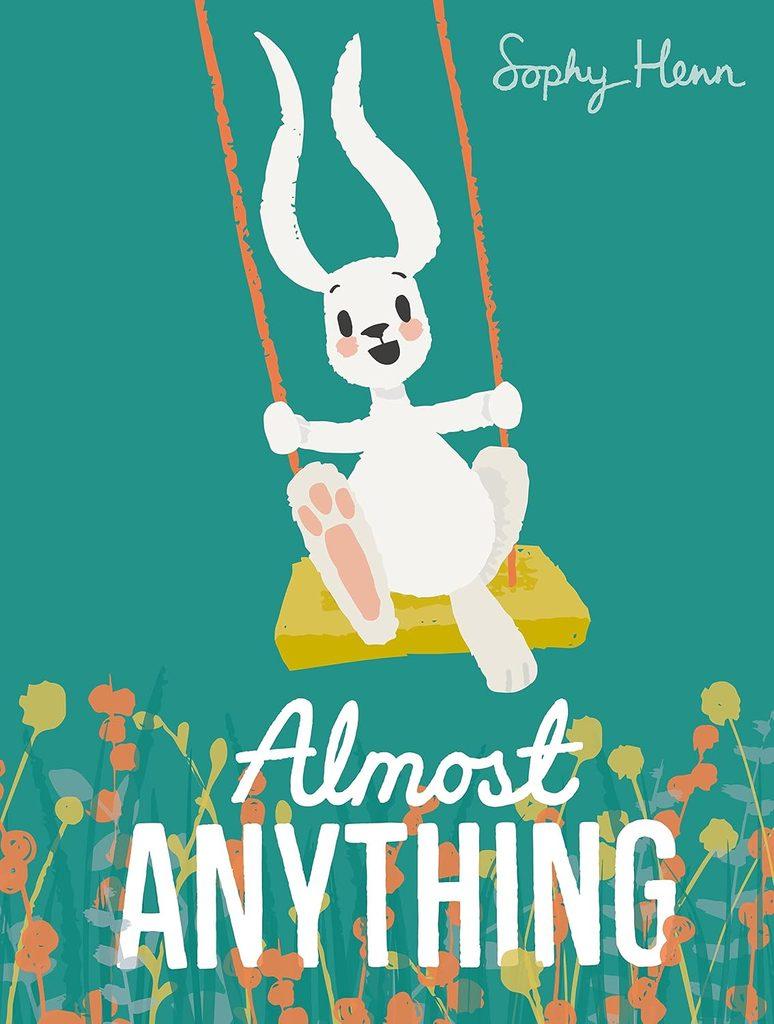
Book: Almost Anything by Sophy Henn
Age: EYFS/KS1
About: George is scared to try anything new, he just doesn’t believe in himself. But with a little bit of magic and some encouraging words, Bear helps him discover his confidence!
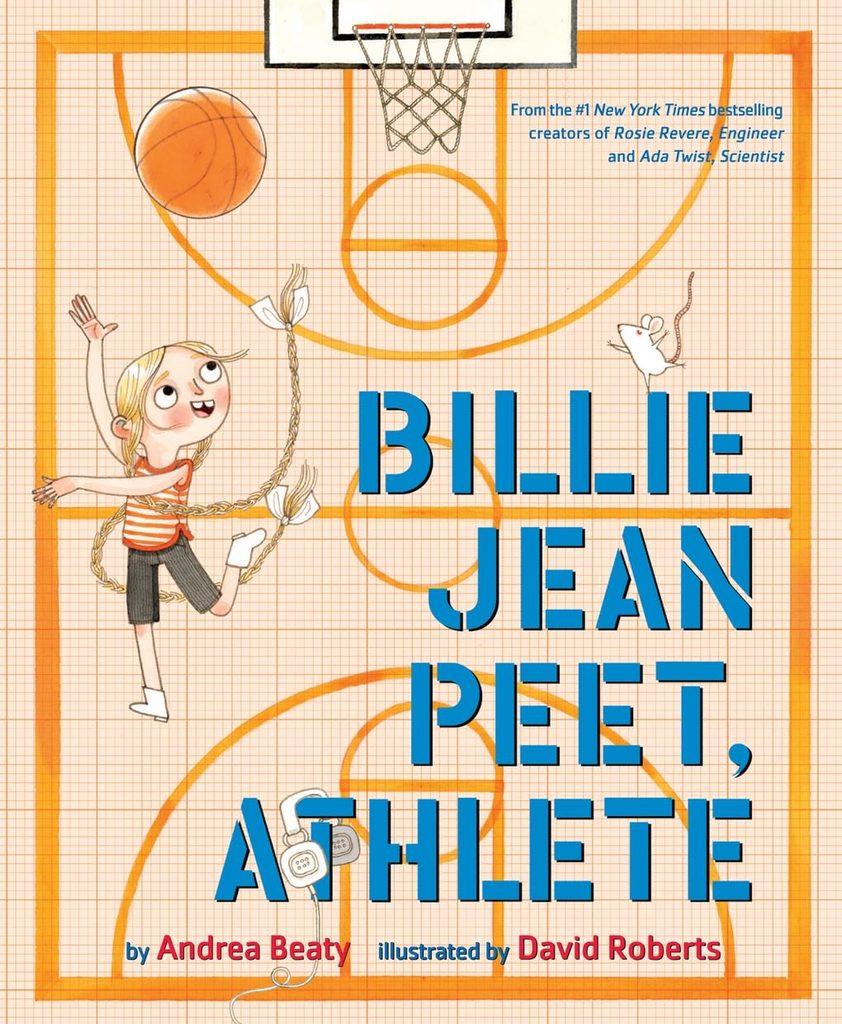
Book: Billie Jean Peet, Athlete
Age: KS1/KS2
About: Billie Jean is the middle child and she often feels overlooked., especially when it comes to basketball. She just can’t seem to get it right. Until one day she discovers her own unique way of doing things!
Bonus: Looking for a resource to support your class before a trip? Story Project members can access a lesson plan to accompany this book! Join our programme and find out more www.story-project.co.uk/
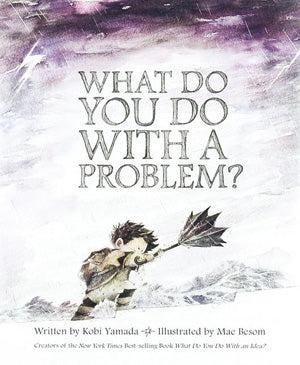
Book: What Do You Do With a Problem? by Kobi Yamada
Age: KS1/KS2
About: A book for anyone who has a problem that feels like it will never go away, and about having the courage to face it.
Books about being away from home or out of routine
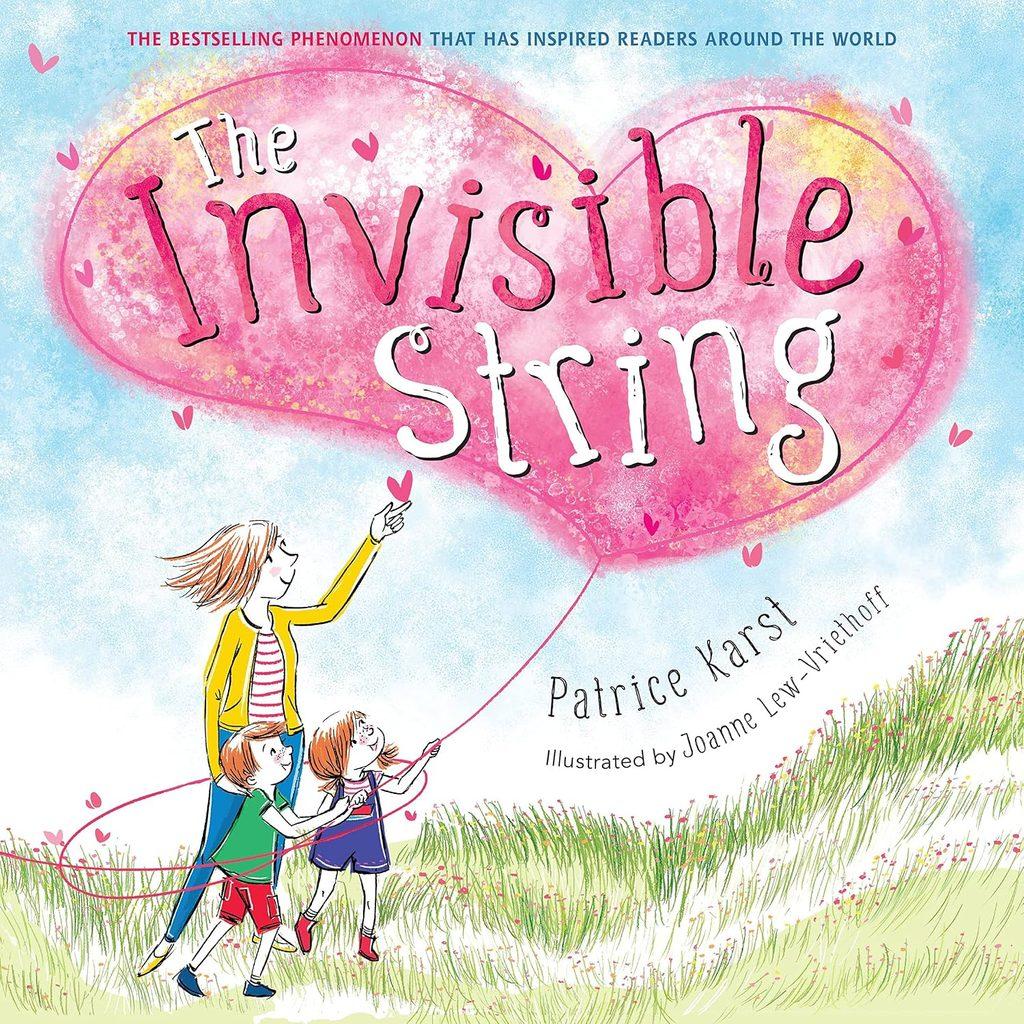
Book: The Invisible String by Patrice Karst
Age: KS1
About: A beautiful story about the invisible bonds we have between the people we love. Perfect for children struggling at drop-off time or for those nervous about being away from home on a trip.
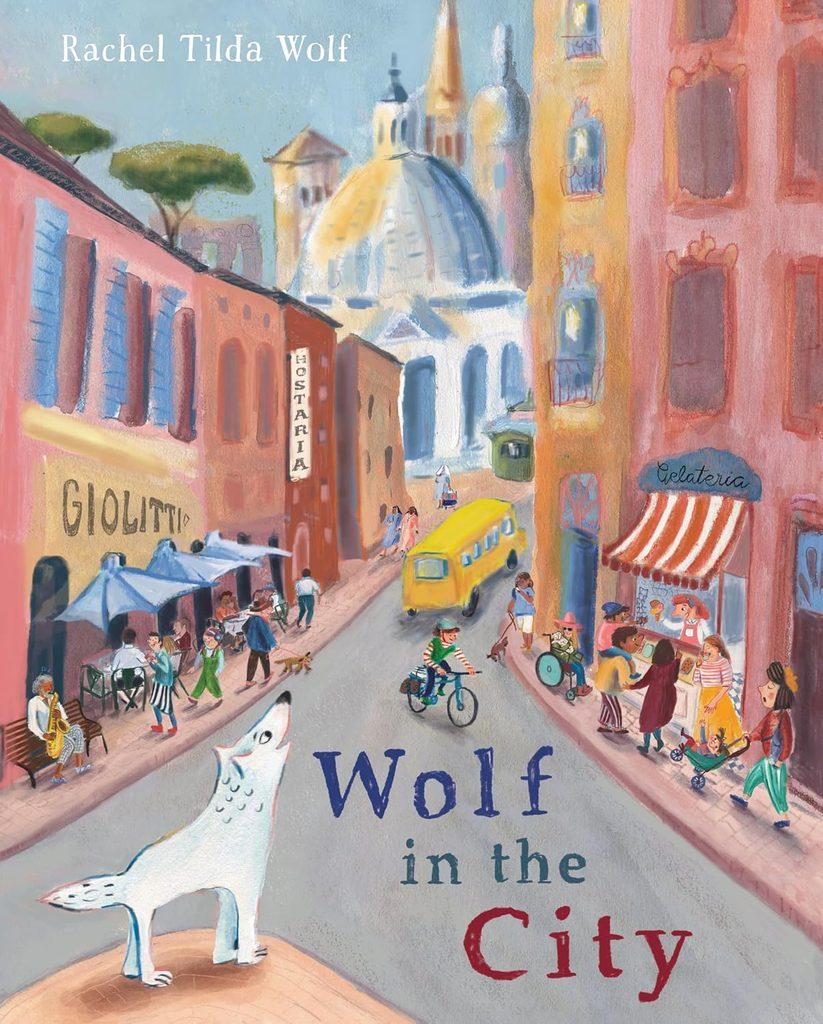
Book: Wolf in the City
Age: KS1
About: A young wolf sets off to the city to find the place where she belongs, but she soon realizes she misses home. Arriving back, she sees how much her friends have missed her too!
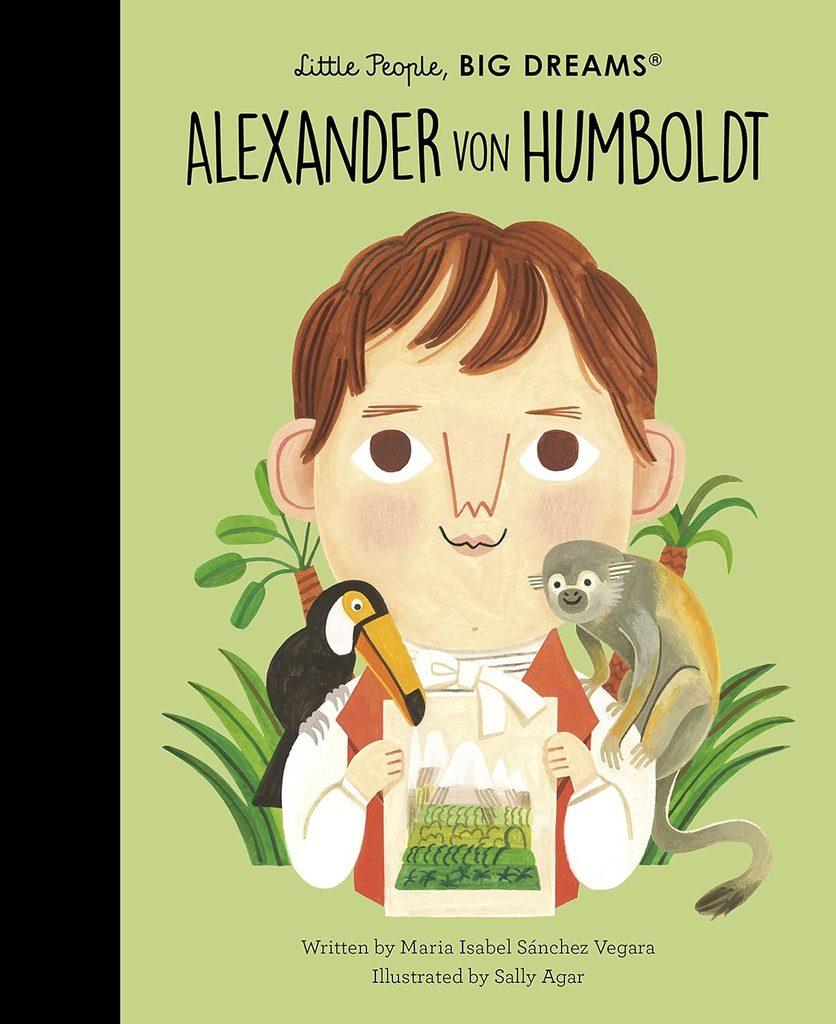
Book: Alexander Von Humboldt by Little People Big Dreams
Age: KS2
About: Follow the journey of a real-life explorer and discover how his family were nervous about him going away.
Bonus: Looking for a resource to support your class before a trip? Story Project members can access a lesson plan to accompany this book! Join our programme and find out more www.story-project.co.uk/
Books about the great outdoors
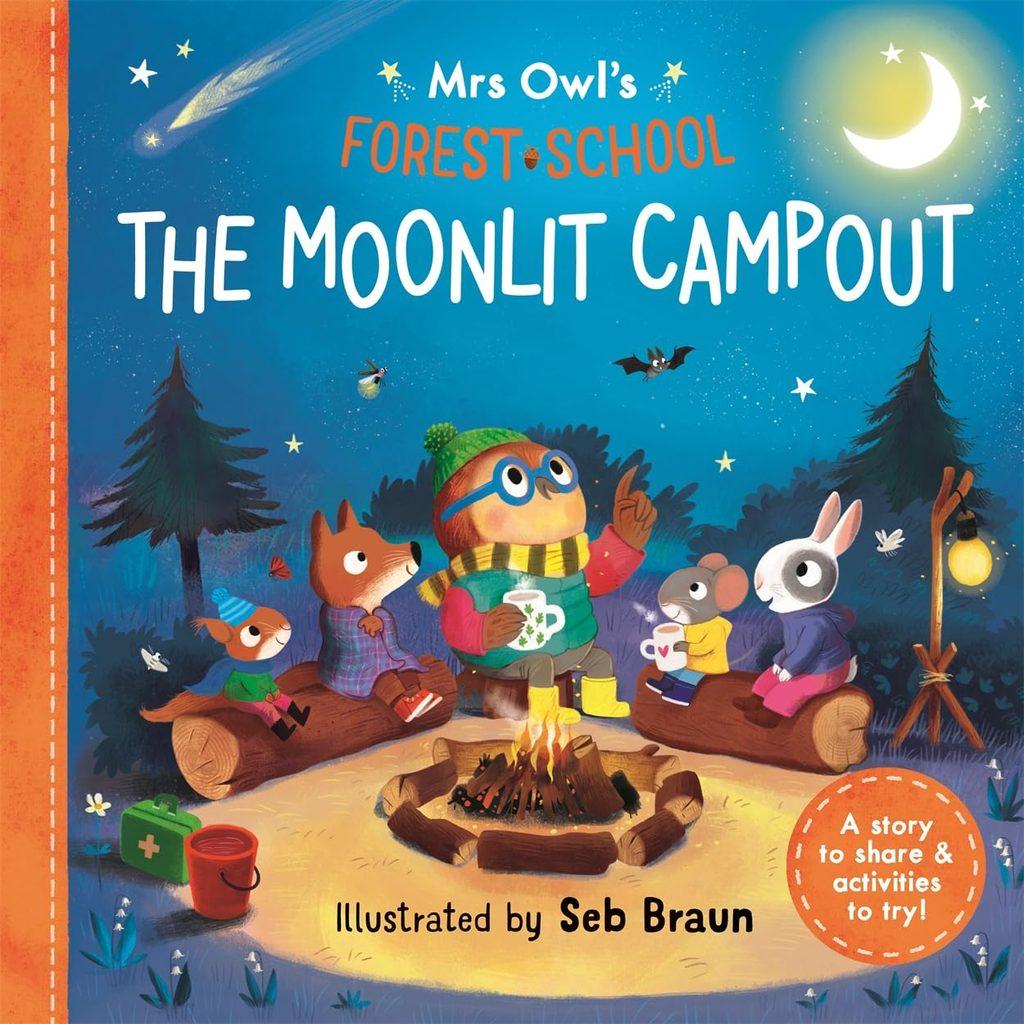
Book: The Moonlit Campout
Age: EYFS/KS1
About: A fantastic story that explores some of the skills needed to be in the great outdoors. This would be perfect for a forest-school style trip!
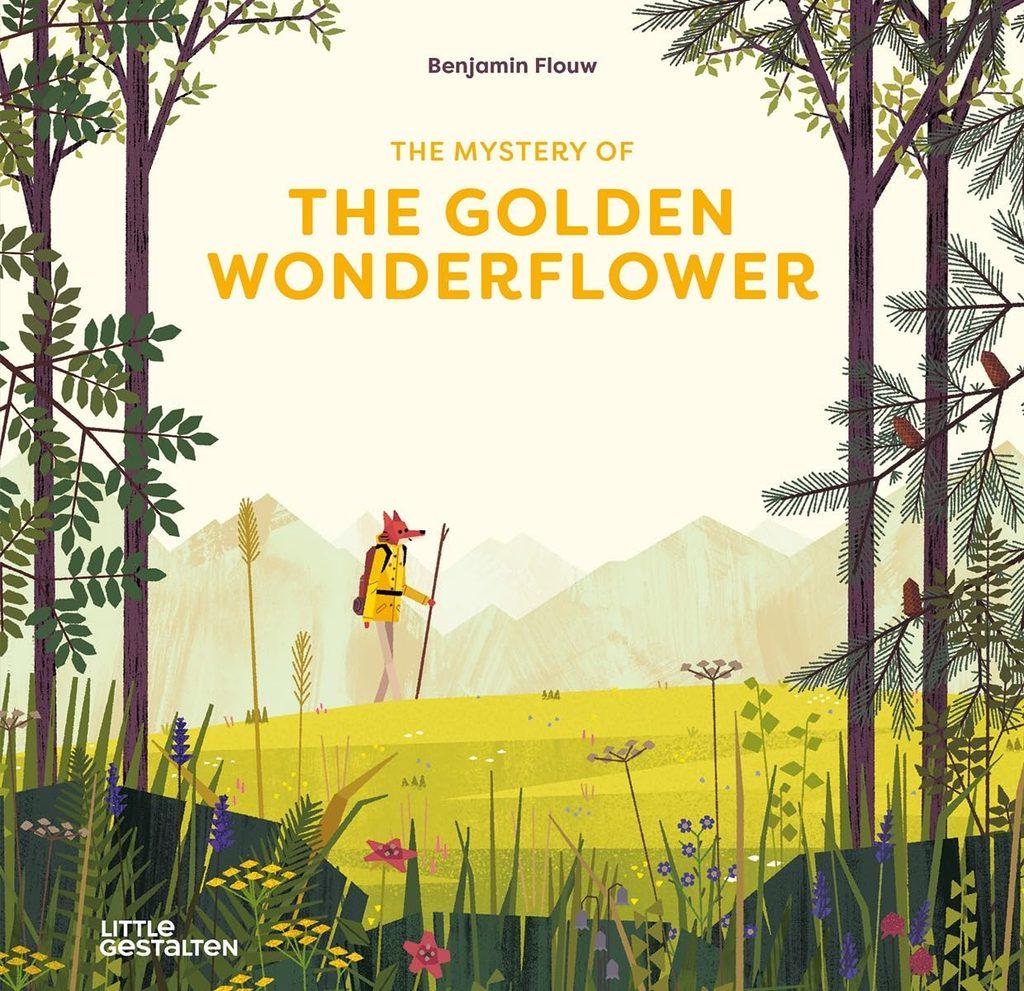
Book: The Mystery of the Golden Wonderflower by Benjamin Flouw
Age: KS1
About: Fox embarks on an epic journey following his curiosity about plants. This beautifully crafted book will entice any young reader to fall in love with the outdoors.
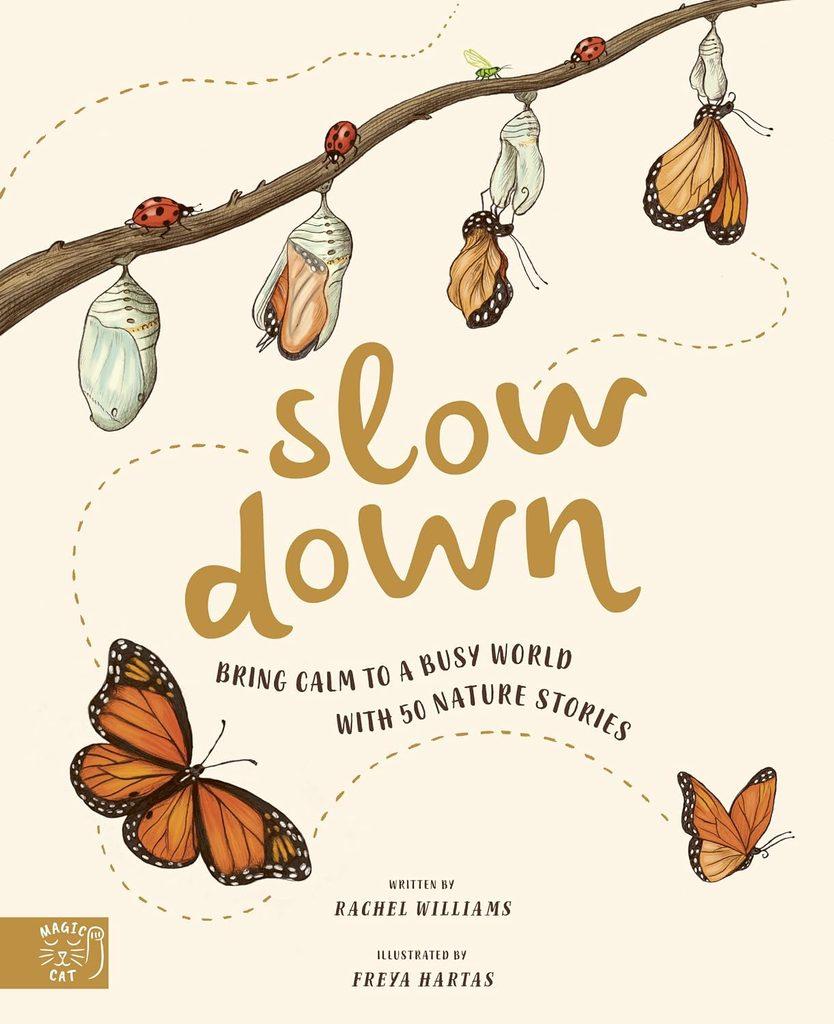
Book: Slow Down by Rachel Williams
Age: KS1/KS2
About: A stunning non-fiction book about what you might discover in nature.
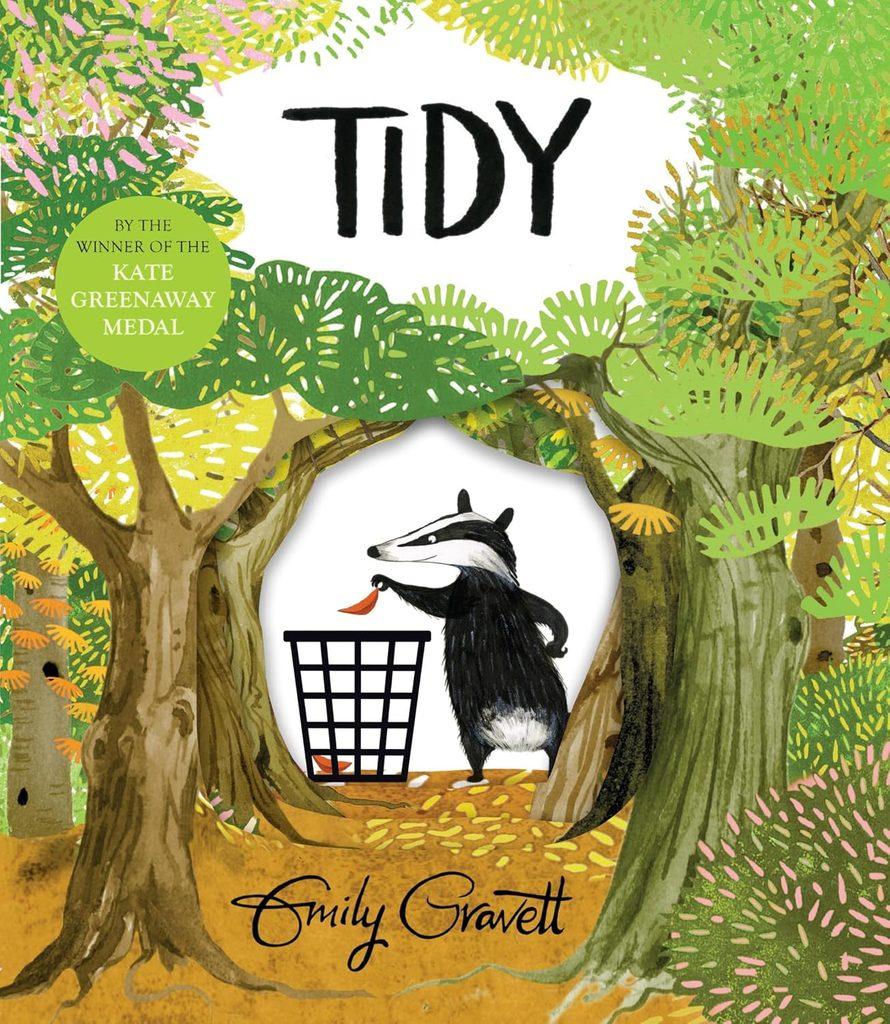
Book: Tidy by Emily Gravett
Age: KS1
About: Want to set expectations about behaviours before you embark on a trip? This is the perfect book to read before you go about respecting our environment.
Books about managing worries
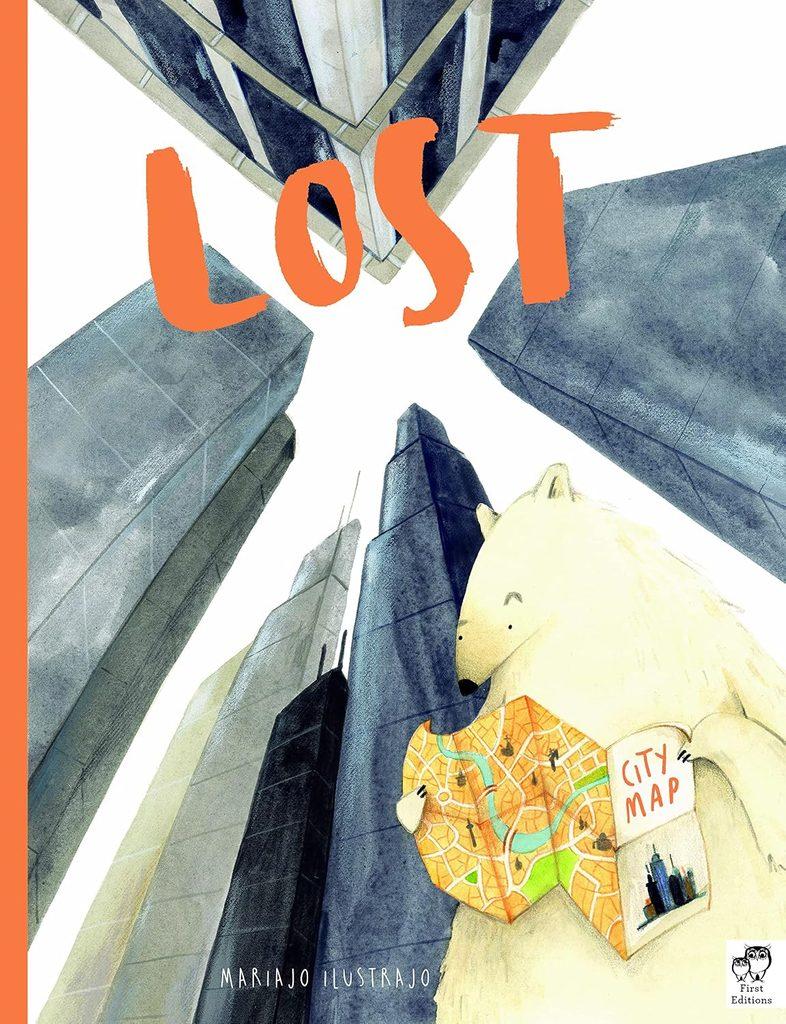
Book: Lost by Mariajo Ilustrajo
Age: EYFS/KS1
About: Covering a common worry about school trips; getting lost! A bear gets lost in a big city only to be rescued by a young girl. Perfect for discussing what to do and what not to do if you ever get lost.
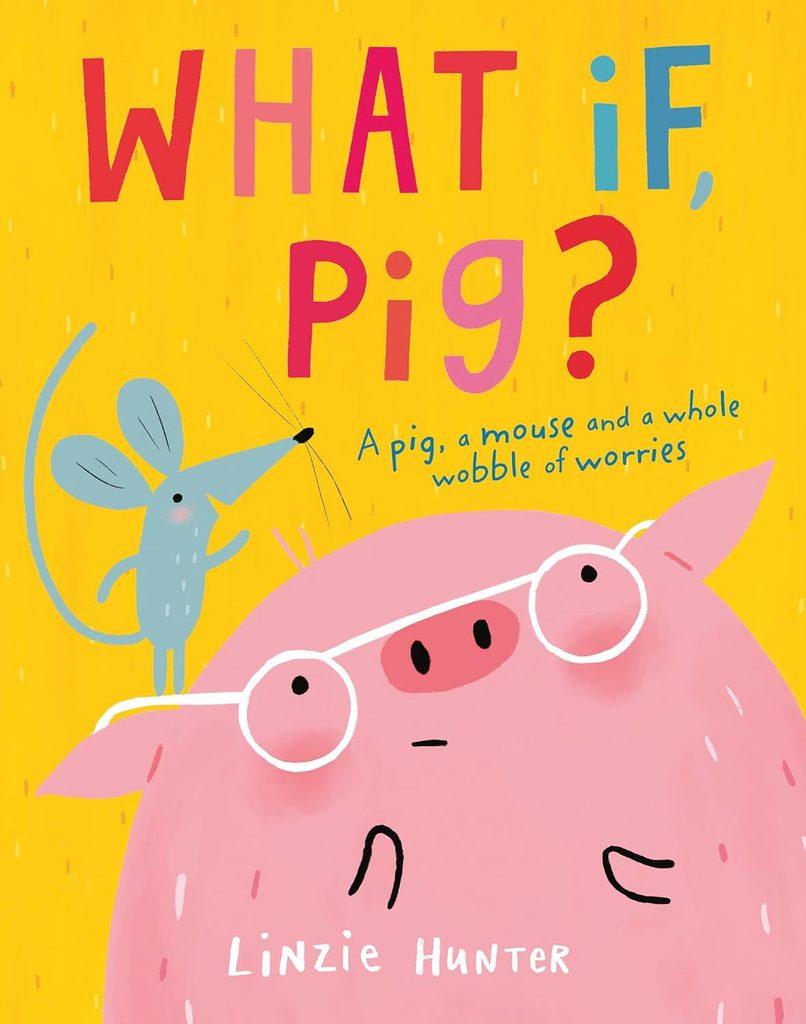
Book: What If, Pig? by Linzie Hunter
Age: KS1
About: The perfect story for helping children with those ‘what if this happens?’ questions before a trip. Discover Pig and his friend Mouse as they try to get a handle on Pig’s worrying.
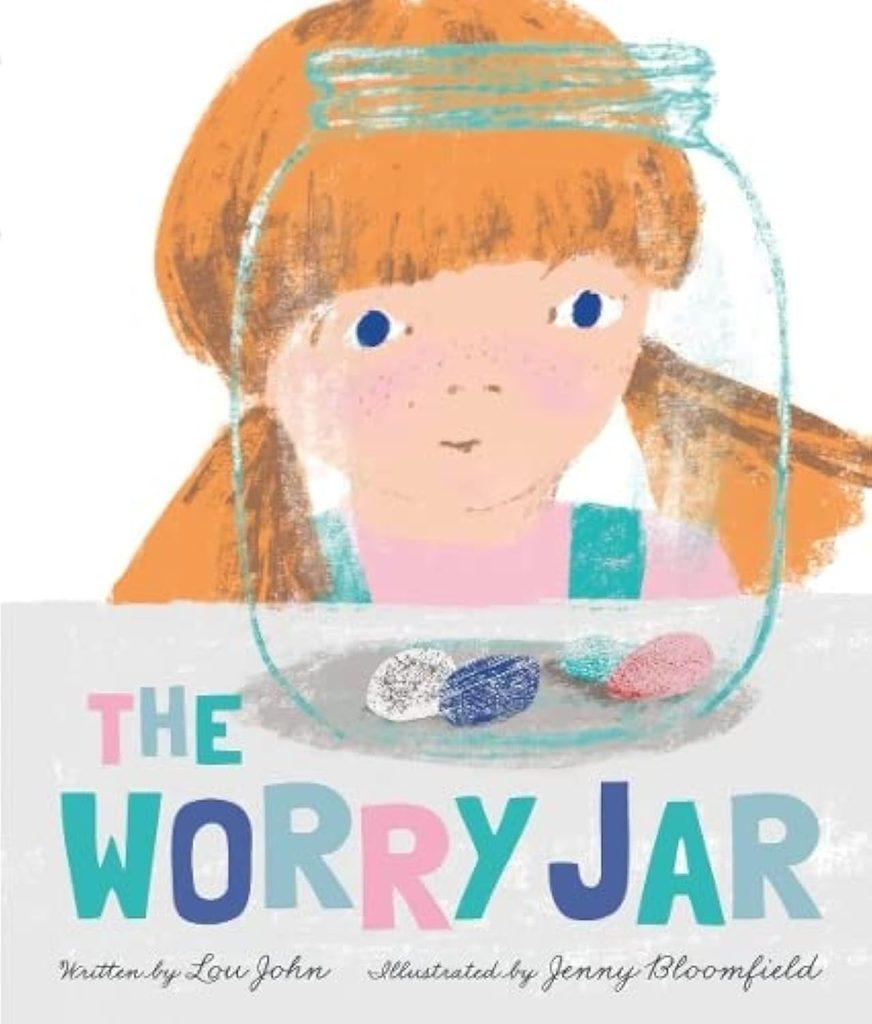
Book: The Worry Jar by Lou John
Age: KS1
About: Frida worries all the time, but her Granny has an ingenious idea for helping her to manage them and soon Frida feels much better.
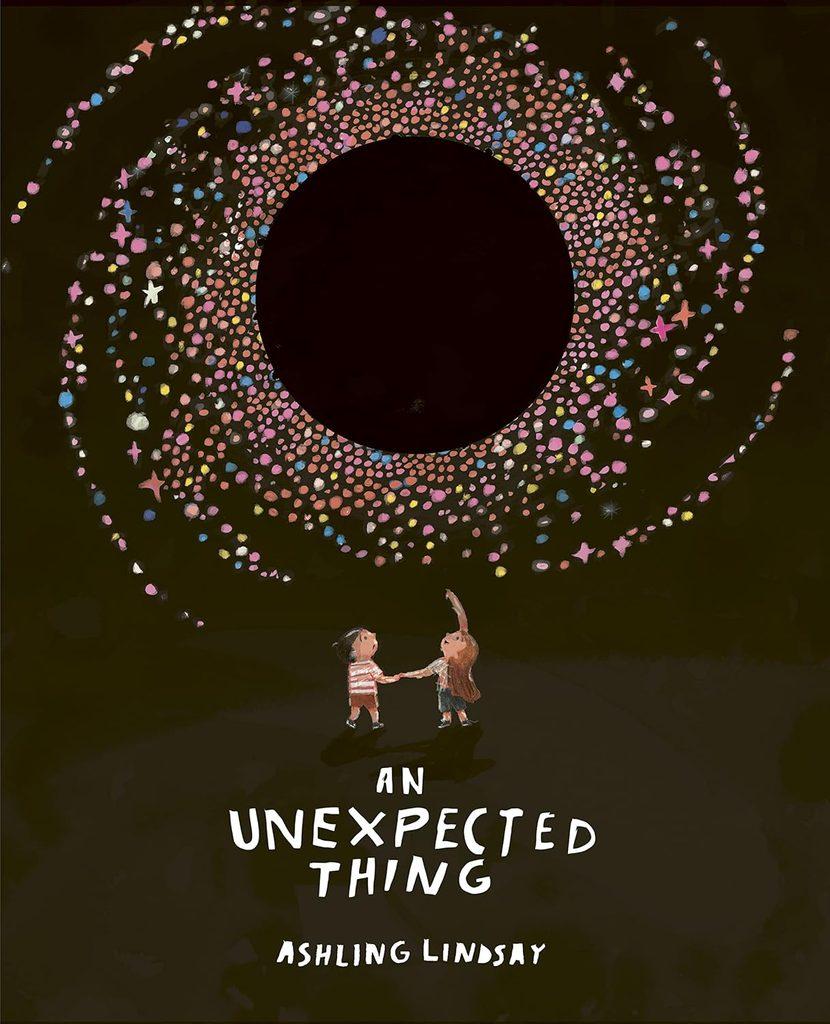
Book: The Unexpected Thing by Ashling Lindsay
Age: KS1/2
About: A book to help children push themselves out of their comfort zones. Follow Fred and Coco as they navigate something new and conquer their fears.
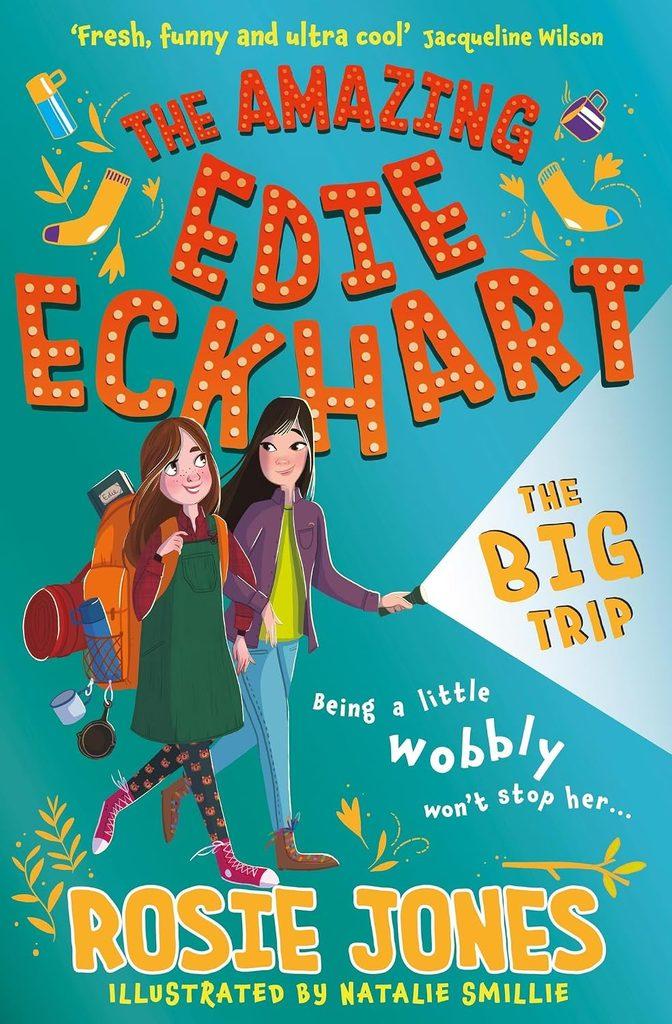
Book: The Amazing Edie Eckhart: The Big School Trip by Rosie Jones
Age: KS2
About: A wonderful book that explore identity, confidence and worries about school trips!
An activity resource to help children prepare for a school trip or residential
If you’re planning for a school trip or residential soon, why not add a book-led lesson a week or so before you go. This can really help children to prepare, feel confident and know what to expect.
The Story Project offers a two-part residential resource based on two of the stories mentioned above! Created in partnership with Jamie’s Farm, the resource helps children to build confidence and manage nerves before the trip, and then celebrate their successes and apply them to the classroom on their return.
Member schools of both organisations get the resource for free! If you would like to find out more, please contact either Jamie’s Farm or The Story Project.
What is The Story Project?
The Story Project is a social enterprise that uses the magic of stories to bring PSHE, wellbeing and literacy to life.
Our fully resourced primary programme covers all the statutory RSHE objectives (2026), perfect for Reception to Year 6. Ask us about our Nursery and Secondary programmes!
What is Jamie’s Farm?
Rooted in our therapeutic approach and focus on purpose, belonging, and reflection, our residential programme empowers young people to build confidence and thrive, academically, socially, and emotionally, both at school and beyond.
It’s not just a week on a farm. We support both our visiting young people and their accompanying adults through a long-term programme that builds on achievements and connections forged during their time at Jamie’s Farm.